GeoTourism Mongolia | Plan Your Ger to Ger Nomad Centered Cultrual Eco Adventure Today
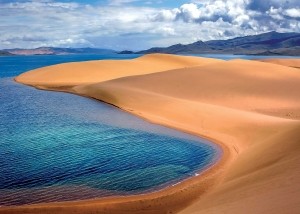
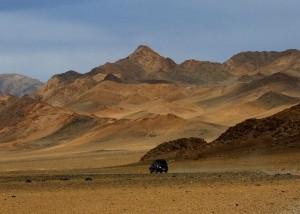
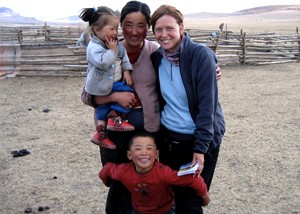
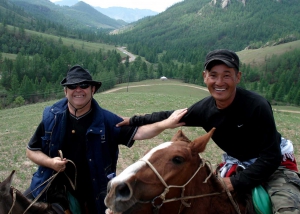
Travel Mongolia's great outdoors with Mongolian nomads that will guide you along their nomadic trails with their horses, camels, ox carts, or even trek from one nomadic family to the next over vast and epic Mongolian landscapes to visit, overnight and homestay with genuine Mongolian nomadic families in the mountains, along lush river valleys or deep in Mongolia's Gobi Desert all year round.
|
|
Nomadic Travel Routes -
Nomadic Travel Routes - Arhangai
|

White Lake region is a true representation of the extreme beauty that exists within a geologically diverse location, where the legendary White Lake lies adjacent to Khorgo, the famous inactive Volcano, that is surrounded by a petrified (still very present) volcanic forest. This is a true highlight destination in Mongolia - we strongly recommend travelers to incorporate this within their travel plans if you are already planning to visit the region and/or planning to travel to Khuvsgul and/or Western Mongolia. Imagine yourself surrounded by mountain like hills, listening to the beat of the horse and the wave cresting on the lake’s shoreline, while the refreshing winds elevate your senses on this geologically rich horseback riding route.
Locals say that once upon a time, elder man and woman lived with their granddaughter. However grandma always warned to her daughter to cover the well completely but a daughter forgot to cover the well one day and that morning, they exclaimed “Oh my goodness, look at all the water” – it was from this event that “Terhiin” (all that water) Lake was formed. Legend says that a locally famous wrestler was called in to cut the top off one of the nearby mountain to use as lid to plug the well water from continuing to flood out. It is from the tip of this ‘legendary lid’ which became today’s vantage point that we use to see the panoramic view of lake. Locals renamed the lake to Terhiin White Lake because of the white waves. This renowned lake draws in local visitors from nearby regions to pay their respects to the Lake annually by celebrating a rural Naadam Festival at the end of June.
Difficulty of trip: moderate Community Fee: 256USD for 6 days/ 5 nights
Additional In-Country Travel Expenses UB to Arhanga Bus Fee (approx): USD 15 Rural jeep to first ger and pickup (approx): $260 Note: jeep cost can be divided by number of persons (max 4) Booking & travel orientation w/ handbook: $25 Local park fee: $3
Day One - Arrive in Tsetserleg Town: YYou will travel from UB to Tsetserleg by the public bus at 8am, along the way you will see many scenic locations from the bus as it drives by vast nomadic pastures, the Ancient Capital City of the Mongol Empire “Karakorum”, etc. Once you arrive in Tsetserleg town around at 6pm, our local facilitator will meet you at the rural bus station to which you be will guided to your local guest house.
Day Two - Visit to Mr. Batbold’s family and short walk along the White lake’s scenic shoreline (B, L, D): After breakfast, you will travel to White Lake for 185 km by rural vehicle. White Lake is an astonishingly beautiful lake - the lake is about 20 km long and 16km wide, it supports Pike and other fish as well as rare birds’ species can be found here. You will be served lunch when you arrive at Mr. Batbold’s ger camp in the afternoon to which afterwards you can take a short rest in your own Ger before the 5km walk along the lake. On your way, you will visit the legendary “Uvgun Had” rock formation that is a representation of an old man who is the guardian of the Lake and the locally worshipped Black Stone where guests and locals make small offerings of rocks to the Ovoo. In the evening, you will begin to make your way back to the ger camp where you will have your dinner and overnight.
Day Three - Horseback Ride to White Lake’s Vantage Point “Nuurin Dund Tolgoi” (B, L, D): After breakfast, you will continue with a 13 kilometer journey by horseback to the White Lake’s panoramic vantage point. On the way, you will pass by the locally renowned “Hungiin Tohoi” known for the gathering of Swans – of which you may see if you are lucky. As you continue your journey, you will be served a picnic lunch before you arrive at the next nomadic family in the evening where you will have an opportunity to learn the basics of nomadic dairy products. The family will show you how to boil milk to make “urum” which is a creamy spread used to eat on bread and in Mongolia teas. Afterwards you will have a picnic dinner and overnight in your tent nearby the herder family.
Day Four - Horseback Ride to “Khorgo” Volcano and Yellow Dog’s Cave (B, L, D): After breakfast, you will travel by horseback for 20 kilometers (round trip) to the volcanic crater known as Khorgo that is 2100 meters above sea level. From the summit there is a splendid panoramic view of the whole lake and region. As you continue your journey, you will also visit the famous Yellow Dog’s cave (a local legend stated that a compassionate monk kept a sick dog in this cave in order to protect it from being killed) and have a picnic lunch. In the evening, you will return Batbold’s family and be welcomed with a farewell dinner and milk tea before retiring to your Ger.
Day Five - Departure back to Tsetserleg (B): After your breakfast, our driver will pick you up from Mr. Batbold’s family and take you to Tsetserleg by rural vehicle that is 185 kilometers where you will check-in to the local guest house. Afterwards you will have free time of which you can independently visit the local museum and/or make a short trek around the beautiful Bulgan Mountain.
Day Six - Trip back to Ulaanbaatar (B): You will be served an early breakfast at guest house to which afterwards you will walk to the rural bus station to take the 8am public bus back to Ulaanbaatar.
Included services:
All nomadic breakfast, lunch and dinner which are stated on itinerary
Overnight in Ger
Herder guide service on route Horse riding according to itinerary Sightseeing Pack animals on route Cultural activities (milk a cow, play ankle bone etc) Boiled water on route Two ways bus tickets between UB and Tsetserleg 2 nights at local guest house in Tsetserleg
Not included: Orientation lesson fee Rural jeep cost which stated on itinerary National park fee Personal use
Mongolian Cultural Travel Tips & Information
Horseback Riding in Mongolia
Mongolians and horses have historically co-exist since the early times and It’s impossible to imagine Mongolians without horses. There are many horse related folk legends, stories about horses, epic literature and songs written about horses. Mongolians prohibit the cursing of horses, beating horses and whipping of horses on their heads and chests. Mongolia’s horse culture according to their traditions teaches to show to respect to the horse during its life and honorifically place the horse’s head on an Ovoo or other sacred place to show their respect to the nobility of their horse’s life. The head of a horse is often decorated with white stones or horse dung. Heads of especially fast racing horses are usually wrapped in a blue scarf. The Mongolian traditional horse head fiddle further glorifies the station of the horse by its artistic design and traditional sounds. The culture of the Mongolian horse even spreads to embroidery, handicraft, wooden carving, metal and silver crafts – Mongolia’s respect of the horse can be found everywhere throughout the country.
Mongolia's Gobi Desert Camels
The world’s rare two-humped Mongolian Bactrian Camel is considered to be the tolerant and noble animal among five animals (horse, cow, sheep, goat and camel) and is sand colored herbivores mainly found in the Gobi Desert region of Mongolia. Mongolia leads the number of Bactrian camels in the world and Mongolian camels were domesticated in olden days and are traditionally used as nomadic transport. When Mongolian camels are used for nomadic transportation their noses are pegged and they are outfitted with a leading rein, halter, saddle, saddle cloth and stairs. Mongolian camels weight is between 400-800kg and camel meat is low in fat and lean. Mongolian camel milk is a staple food for Gobi Desert nomads and is more rich in fat and protein than cow’s milk. A female camel produces about 3 to 4 liters of milk a day; camel milk can readily be made into airag (fermented beverage), hoormog (yogurt diluted with milk) and dried curds. Mongolian camel wool is produced as a natural insulation against the cold and easily sheds in the heat. Mongolian camel wool has unique characteristics of silky softness and strength.
Riding Mongolian Camels
Mongolian nomads say that it’s much closer to the sun from the top of the tallest animal of desert - so while you are riding a Mongolian camel you will always have a panoramic view of the Gobi Desert. Generally, Mongolia’s camel guides are Mongolian nomads that are born and live in the Gobi Desert. Mongolians often start to ride camels at a very early age and have plenty of experience to share with you about how to saddle, groom and command to lay down a camel to mount and dismount. During your camel trek, you can help the Mongolian nomad by looking after your camel; learn how to groom it, saddle and unsaddle it as well as bring water and feed it. Kind attention between the camel and the rider always contributes towards establishing a close. Almost any traveler can ride a camel (in reasonable physical condition) and learn how to control it quickly – though its highly recommended to review the camel riding tips that can be found in the Ger to Ger Travelers’ Handbook. Its good to apply your knowledge and practice on a camel with a Mongolian nomad around their Ger (traditional dwelling) before starting a long trek. A camel trek could cover between 5 to 25kms a day between nomadic families or even for a short roundtrip for sightseeing. |
|
|
Last Updated on Friday, 01 February 2013 06:10 |
|
|
Nomadic Travel Routes -
Nomadic Travel Routes - Arhangai
|

Trek to the beautiful Khukh Nuur (Blue Lake) located at the top of the Arhangai Mountains. This is a challenging route and you will be trekking up to 20KM a day through the amazingly picturesque green valleys in Arhangai Province commonly referred to as the “Horse Breeders Paradise”. This trek from Ger to Ger to the mountain lake is a great way to experience the unspoiled local nature and warm hospitality of the nomadic families along the trekking route. While you are trekking along the route you will opportunities to go horse back riding and learn from nomadic families how to use a yak as a pack animal.
Difficulty of trip: Challenging
Method of travel: Lots of trekking w/ ox-carts
Community Fee: $328 USD for 9 days/ 8 nights
Additional In-Country Travel Expenses UB to Arhangai Bus Fee (approx.): $13 USD Rural jeep to first ger and pickup (approx.): $150 USD Note: Jeep cost can be divided by number of persons Booking & travel orientation w/ handbook: $25 USD Local Park Fee: $3 USD
Day One - Overland Travel by Rural Bus and Vehicle to Mr. Bultenbor’s Nomadic Family (D ): You will travel from UB to Tsetserleg by the public bus at 8am, along the way you will see many scenic locations from the bus as it drives by vast nomadic pastures, the Ancient Capital City of the Mongol Empire “Karakorum”, etc. Once you arrive in Tsetserleg town around at 6pm, our local facilitator will arrange a local driver for you at bus stop that will take you to the first family Mr. Bultenbor (57km). Upon arrival his family will serve you dinner and tea before your retire for the night in your tent nearby the nomadic family.
Day Two - Trek to the Base of Sumtiin Mountain (B, L, D):After breakfast the family will show you how to cut Mongolian curds before you and the herders will pack up Yaks to start your trek along the beautiful Tamir Valley to the base of Sumtiin Mountain. In the early days, five famous monks planted five memorial trees at the base of Sumtiin Mountain before they left their native land which became today’s beautiful scenery of Mountain. Along the way you will have a picnic lunch and absorb much of the local cultural site that includes ancient graves, burial sites; many Khirgesuur (piles of stones marking the burial site of an ancient warrior) and many tombstones. After 15km of trekking you will reach the camping site and Mr. Bultenbor will prepare and serve you a dinner before retiring to your tent for the night.
Day Three - Trek to Mr. Battulga Nomadic Family (B, L, D): After having breakfast, you will trek for 12km to Mr. Battulga’s family – along the way you will have a picnic lunch. Upon arrival at Mr.Battulga’s Ger, the family will prepare and serve you dinner and hot tea to which you will overnight your tent nearby their ger.
Day Four - Trekking to Gangiin bulan (B, L, D): After breakfast with Battulga’s family, you will have an opportunity to learn how to make the well-known Ih Tamir White Curds or nomadic cheese before you and the nomads start packing the luggage on yak cart. Today you will trek for 25km to Gangiin Bulan, where you will be outdoor camping away from families for one night. Along the way you will be served a picnic before reaching the overnight camping site where Mr. Battulga will serve you dinner and tea.
Day Five - Trek to Mr. Byambaochir Nomadic Family (B, L, D): After having a breakfast you will trek for 25km to Mr. Byambaochir’s family, from this point onwards the terrain becomes more challenging with small rivers to cross and some hills to pass over. As you trek to Byamba-Ochir’s home, you will be served a picnic lunch. Upon arrival Mr. Byambaochir and his family will serve you dinner and hot tea before retiring to your tent for the evening.
Day Six - Day Trek to Mountain Blue lake (B, L, D): After breakfast, you will start the trek to 'Blue Lake' with the nomadic guide - today you don’t need to pack the all the luggage, a day-pack is sufficient for the day as the trek will be about 26km round trip. You will be served a picnic lunch at the top of the Mountain along the edge of Blue Lake where you can enjoy the beautiful scenery of this mountain lake. By evening you you return to Mr. Byambaochir’s nomadic family’s ger where they will welcome you with dinner before you overnight in your tent.
Day Seven - Trek to Mr. Battumur’s Nomadic Family (B, L, D): After breakfast, Mr. Byambaochir and you will start packing the yak for your journey – today the terrain becomes more challenging as you have to trek over a mountain. You will served a picnic lunch as you are trekking for 27 kilometers through Jargalant Valley – upon arrival at Battumur's family (Local people call him as Oroso), they will welcome you with a nomadic dinner before retiring to your tent for the evening.
Day Eight - Trek Shivertiin Mountain (B, L, D): After breakfast, Mr. Oroso will teach you how to make homemade ropes out of yak hair before you continue your 22km trek up Shivertiin Mountain. Once we leave Orosoo’s home there will be no families along the way to our meeting point with the vehicle - on the way you will be served with a picnic lunch and tea. Upon arrival at the outdoor campsite, Mr. Oroso will prepare and serve you with a outdoor dinner and hot tea before you overnight in your tent.
Day 9 - Short Trek to Meet Rural Driver nearby the Base of Khujiriin Mountain (B): After breakfast we will pack up all the tents and luggage and continue our trek for around 7 kilometers with the yaks to the mount of Khujiriin Mountain where the vehicle is waiting for us. You will say farewell to the herders and humble yaks and will continue your overland travel for 80km back to Tsetserleg where you will overnight at a guesthouse. This morning you will get up early in preparation for your bus back to Ulaanbaatar city that will depart at 8am or continue your travel onwards to White Lake if you booked this option.
Included services: All nomadic breakfast, lunch and dinner which are stated on itinerary Herder guide service on route Sightseeing Pack animals on route Cultural activities (make dried curds, pack on yak’s back etc) Boiled water on route Reservation services for two ways bus tickets between UB and Tsetserleg Local jeep arrangement service by facilitator Guest house and hotel reservation service by facilitator in Tsetserleg
Not included:
Camping equipments (sleeping bag, mattress and tent)
Orientation lesson fee
Rural jeep cost which stated on itinerary
National park fee
Additional overnight at guest house or hotel in Tsetserleg town
Mongolian Cultural Travel Tips & Information
Horseback Riding in Mongolia
Mongolians and horses have historically co-exist since the early times and It’s impossible to imagine Mongolians without horses. There are many horse related folk legends, stories about horses, epic literature and songs written about horses. Mongolians prohibit the cursing of horses, beating horses and whipping of horses on their heads and chests. Mongolia’s horse culture according to their traditions teaches to show to respect to the horse during its life and honorifically place the horse’s head on an Ovoo or other sacred place to show their respect to the nobility of their horse’s life. The head of a horse is often decorated with white stones or horse dung. Heads of especially fast racing horses are usually wrapped in a blue scarf. The Mongolian traditional horse head fiddle further glorifies the station of the horse by its artistic design and traditional sounds. The culture of the Mongolian horse even spreads to embroidery, handicraft, wooden carving, metal and silver crafts – Mongolia’s respect of the horse can be found everywhere throughout the country.
Mongolia's Gobi Desert Camels
The world’s rare two-humped Mongolian Bactrian Camel is considered to be the tolerant and noble animal among five animals (horse, cow, sheep, goat and camel) and is sand colored herbivores mainly found in the Gobi Desert region of Mongolia. Mongolia leads the number of Bactrian camels in the world and Mongolian camels were domesticated in olden days and are traditionally used as nomadic transport. When Mongolian camels are used for nomadic transportation their noses are pegged and they are outfitted with a leading rein, halter, saddle, saddle cloth and stairs. Mongolian camels weight is between 400-800kg and camel meat is low in fat and lean. Mongolian camel milk is a staple food for Gobi Desert nomads and is more rich in fat and protein than cow’s milk. A female camel produces about 3 to 4 liters of milk a day; camel milk can readily be made into airag (fermented beverage), hoormog (yogurt diluted with milk) and dried curds. Mongolian camel wool is produced as a natural insulation against the cold and easily sheds in the heat. Mongolian camel wool has unique characteristics of silky softness and strength.
Riding Mongolian Camels
Mongolian nomads say that it’s much closer to the sun from the top of the tallest animal of desert - so while you are riding a Mongolian camel you will always have a panoramic view of the Gobi Desert. Generally, Mongolia’s camel guides are Mongolian nomads that are born and live in the Gobi Desert. Mongolians often start to ride camels at a very early age and have plenty of experience to share with you about how to saddle, groom and command to lay down a camel to mount and dismount. During your camel trek, you can help the Mongolian nomad by looking after your camel; learn how to groom it, saddle and unsaddle it as well as bring water and feed it. Kind attention between the camel and the rider always contributes towards establishing a close. Almost any traveler can ride a camel (in reasonable physical condition) and learn how to control it quickly – though its highly recommended to review the camel riding tips that can be found in the Ger to Ger Travelers’ Handbook. Its good to apply your knowledge and practice on a camel with a Mongolian nomad around their Ger (traditional dwelling) before starting a long trek. A camel trek could cover between 5 to 25kms a day between nomadic families or even for a short roundtrip for sightseeing. |
|
|
Last Updated on Friday, 01 February 2013 06:09 |
|
Nomadic Travel Routes -
Nomadic Travel Routes - Arhangai
|

Start Your Free Online Mongolian Language Learning Podcast Trainings Today!
On this geographically stunning eco adventure, you will explore a variety of natural, historical and cultural wonders along this horse and yak cart route that takes you gradually up to the Hujiriin Togoo Mountain Valley. This “off the beaten path” cultural adventure truly provides a diverse range pastoral and historically important environs. Locals commonly refer to Arkhangai Province as the paradise to the "horse breeders" with its endless emerald pastures surrounded by mountain river valleys. Arkhangai provides nomadic families with the perfect environment to raise Yaks and produce the famous Arhangai cheeses and smooth tasting dried curds. This route is perfect for those travelers that are seeking to combine nomadic culture, geography, a bit of archeological history (sites) while traveling along beautiful mountain landscapes in small groups.
Difficulty of trip: Moderately challenging
Method of travel: Horseback, ox-carts and trekking
Community Fee: $280 USD for 6 days/ 5 nights
Additional In-Country Travel Expenses
UB to Arhangai Bus Fee (approx.): $15 USD
Rural jeep to first ger and pickup (approx.): $120 USD
Note: Jeep cost can be divided by number of persons
Booking & travel orientation w/ handbook: $25 USD
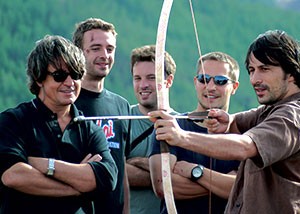
Day One - Arrive at Mr. Batochir herder family and learn the ancient art of Mongolian archery (D): You will travel from UB to Tsetserleg by the public bus that departs at 8am, along the way you will see many scenic locations from the bus as it drives by vast nomadic pastures, the Ancient Capital City of the Mongol Empire “Karakorum”, etc. Once you arrive in Tsetserleg town around at 3-4pm, our local facilitator and driver will meet you at the rural bus station and then guide you for 30 kilometers by vehicle to the first nomadic family, Mr. Batochir. Upon arrival, you will be welcomed with a hot nomadic dinner and have an opportunity to learn and practice both archery and ankle bone shooting before you sleep in family’s extra Ger.
Day Two - Learn the methods of catching and training a horse (B, L, D): After breakfast, you will make your way to the next nomadic family by ox cart and horses for 18 kilometers. On the way, you will visit the legendary Golden Chair Mountain and its ancient Mongolian burial sides of XIII century that is home to an ancient stone couple. Upon arrival at Mr. Batdelger’s family, you will be served a hot nomadic lunch and tea followed to an afternoon of learning the Mongolian techniques of catching a spirited horse by a Mongolian Lasso as well as learning how to make nomadic dairy products with the family. In the evening you will have a nomadic dinner with the family before returning to the family’s extra Ger for a good night’s rest.
Day Three - Swimming in the river and playing the traditional games with family (B, L, D): A After breakfast, you will continue your travel to the next herder family by horseback for 15 kilometers where along the way you will visit a Buddhist Stupa. When you arrive at Mr. Nerguibaatar’s family, you will be welcomed with a nomadic lunch and traditional tea. Afterwards, you will have a good day’s rest that includes swimming in the river, having fun time with the family as well as playing traditional Mongolian games with family members with ankle bones of sheep before you sleep in family’s extra Ger.
Day Four - Learn the art of preparing the mane and tail of a Naadam Race Horse (B, L, D): A After breakfast, you will continue your journey to the next herder family by horse for 15 kilometers. Upon arrival at Mr. Sumyadash’s family, you will be welcomed a milk tea and lunch. He will show you how to tie horses’ tail and mane for the race and you can experience in making noamdic cheese with his wife. In the evening time, you will have a dinner with the family and overnight in family’s extra Ger.
Day Five - Trekking to Hujiriin Mountain Togoo (B, L, D): After breakfast, you will start the trekking portion of the trip up to ‘Khujiriin togoo’ with a local nomadic guide; today there is no need to pack any luggage beyond a daypack. The round trip will be a 20 kilometer journey to the up to this incredible mountain top location. Upon arrival, you have a truly scenic mountain top picnic at the edge of Khujiriin Togoo (an ancient inactive volcano). Afterwards, you will start your descent back to the nomadic family where you will be welcomed with a hot nomadic dinner and stay overnight in family’s extra Ger.
Day Six - Departure (B): After breakfast, a local driver will arrive to pick you up and escort you back to Tsetserleg (90 kilometers), where you can either take the afternoon bus at 2pm to UB city or stay overnight in Tsetserleg and depart at your leisure.
Included services:
All nomadic breakfast, lunch and dinner which are stated on itinerary
Stay overnight in Ger
Horse riding according to itinerary
Travel by ox cart according to itinerary
Herder guide service on route
Sightseeing
Pack animals on route
Cultural activities (make dried curds, archery, ankle bone shooting etc)
Boiled water on route
Two ways bus tickets reservation between UB and Tsetserleg
Local jeep arrangement by facilitator
Included not services:
Camping equipments /sleeping bag, mattress and tent/
Orientation lesson fee
Rural jeep cost which stated on itinerary
Additional overnight at guest house or hotel in Tsetserleg town
Personal use
|
Mongolian Cultural Travel Tips & Information
Horseback Riding in Mongolia
Mongolians and horses have historically co-exist since the early times and It’s impossible to imagine Mongolians without horses. There are many horse related folk legends, stories about horses, epic literature and songs written about horses. Mongolians prohibit the cursing of horses, beating horses and whipping of horses on their heads and chests. Mongolia’s horse culture according to their traditions teaches to show to respect to the horse during its life and honorifically place the horse’s head on an Ovoo or other sacred place to show their respect to the nobility of their horse’s life. The head of a horse is often decorated with white stones or horse dung. Heads of especially fast racing horses are usually wrapped in a blue scarf. The Mongolian traditional horse head fiddle further glorifies the station of the horse by its artistic design and traditional sounds. The culture of the Mongolian horse even spreads to embroidery, handicraft, wooden carving, metal and silver crafts – Mongolia’s respect of the horse can be found everywhere throughout the country.
Mongolia's Gobi Desert Camels
The world’s rare two-humped Mongolian Bactrian Camel is considered to be the tolerant and noble animal among five animals (horse, cow, sheep, goat and camel) and is sand colored herbivores mainly found in the Gobi Desert region of Mongolia. Mongolia leads the number of Bactrian camels in the world and Mongolian camels were domesticated in olden days and are traditionally used as nomadic transport. When Mongolian camels are used for nomadic transportation their noses are pegged and they are outfitted with a leading rein, halter, saddle, saddle cloth and stairs. Mongolian camels weight is between 400-800kg and camel meat is low in fat and lean. Mongolian camel milk is a staple food for Gobi Desert nomads and is more rich in fat and protein than cow’s milk. A female camel produces about 3 to 4 liters of milk a day; camel milk can readily be made into airag (fermented beverage), hoormog (yogurt diluted with milk) and dried curds. Mongolian camel wool is produced as a natural insulation against the cold and easily sheds in the heat. Mongolian camel wool has unique characteristics of silky softness and strength.
Riding Mongolian Camels
Mongolian nomads say that it’s much closer to the sun from the top of the tallest animal of desert - so while you are riding a Mongolian camel you will always have a panoramic view of the Gobi Desert. Generally, Mongolia’s camel guides are Mongolian nomads that are born and live in the Gobi Desert. Mongolians often start to ride camels at a very early age and have plenty of experience to share with you about how to saddle, groom and command to lay down a camel to mount and dismount. During your camel trek, you can help the Mongolian nomad by looking after your camel; learn how to groom it, saddle and unsaddle it as well as bring water and feed it. Kind attention between the camel and the rider always contributes towards establishing a close. Almost any traveler can ride a camel (in reasonable physical condition) and learn how to control it quickly – though its highly recommended to review the camel riding tips that can be found in the Ger to Ger Travelers’ Handbook. Its good to apply your knowledge and practice on a camel with a Mongolian nomad around their Ger (traditional dwelling) before starting a long trek. A camel trek could cover between 5 to 25kms a day between nomadic families or even for a short roundtrip for sightseeing. |
|
|
Last Updated on Friday, 01 February 2013 06:09 |
|
Nomadic Travel Routes -
Nomadic Travel Routes - Bayan Olgii
|

This is an unparalleled off-the-path cultural adventure that highlights the social, cultural and geographic diversity and wealth that Mongolia possesses! Hidden in valleys beyond the snow-capped western mountain ranges are kazakh families that still to this day carry-on the ancient socio-cultural and traditional practices of their ancestors. Kazakh men continue the training of Eagles from an early age for both sport and hunting practices, while the elderly women pass-on the ancient traditional arts & crafts, such as the age old embroidery skills to their daughters. Kazakh Gers a well-known for their elaborate & decorative nomadic dwellings furnished with beautiful wall-hangings which adds to the warmth of the family’s environment. In these truly special geographic environs, you will greatly enjoy learning all the elements that makes up their unique and very traditional lifestyle.
Community Fee: $291 USD for 8 days/ 7 nights
Additional In-Country Travel Expenses
Taxi fare between airport and guest house (2 ways - 2 to 4 persons): $8.7 USD
UB to Bayan Olgii Bus: $51USD
Optional (UB to Bayan Olgii Airplane - Round Trip): $452USD
Rural jeep to first ger and pickup (2-4paxs): $242 USD
Note: Jeep cost can be divided by number of persons
Booking & travel orientation w/ handbook: $25 USD
Day One - Authentic Turkish Dinner and Overnight in Bayan Olgii: Whether by air or by land, the arrival to Bayan Olgii is stunning, surrounded by mountains the town has a flowing river bending through it bringing it an element of uniqueness to other villages throughout Mongolia. Upon arrival, our local facilitator will welcome you for reception dinner at the local Turkish restaurant after check-in at local hotel (5 kilometers from the airport). After delightful evening dinner, you will retire for the night - Bayan Olgii hotels are generally equipped with hot showers and good basic facilities, this is great opportunity to refresh yourself before your start your cultural adventure.
Day Two - Overland Travel across Stunning Mountain Landscapes to the remotely located Kazakh Family; well-known Eagle Trainer (D): Enjoy the hot morning shower and last hot western breakfast if you wish! Soon afterwards, the rural driver will pick you up from hotel and you will begin your unforgettable 160 kilometer journey across some most picturesque mountain landscapes to Mr. Aralbai’s family. Along the way, you will see a monument called “Hasbaatar” on the top of the hill - Mr. Hasbaatar was an army officer with great military capabilities during the people’s revolution. In the summer of 1941, he successfully led his soldiers and fought bravely against the larger White Russian forces for 42 days at Tolbo Lake. The monument was dedicated to all soldiers who died defending the country. In addition, you will continue your overland travel along the scenic bank of Huvd River which is home to amazing rock formations as well as two stone statues known as “Zagtiin Am” and “Tsagaan Khoshoot” which was formed some 1,300 years ago.
This late afternoon you will have an enjoyable time with your Kazakh family over dinner - who knows maybe even get an opportunity to take some photos with the eagle at sunset (best light for stylistic photography). No worries, Mr. Aralbai will teach you how to hold the eagle with the “biyalai” or “glove” and even show you how to feed it as well as taking on and off the eagle’s hood that covers the eyes and head.
Day Three - Horseback Riding via Picturesque Mountain Valleys to the next Nomadic Family and learn more about Kazakh Ger Decorations (B, L,D): After breakfast, you will start your 10 kilometer horseback ride to Mr. Arginbai’s family across a diverse range of picturesque mountain valley landscapes and rocks formations. Upon arrival at Mr. Arginbai’s family, you will be served a Kazakh lunch and hot traditional tea. Afterwards, Mrs. Seouillinkhan will show you how to make traditional sewing decorations for Kazakh Gers. In the evening, you will have an enjoyable dinner with the family and learn how play a Kazakh traditional game called “Kumalaz” before you retire in your tent for the evening.
Day Four - Short Mountain Trek to Reach a Scenic Panoramic View of the Region: After breakfast, you will begin your 5 kilometer trek to next family via truly unforgettably beautiful panoramic views of the local terrain. Upon arrival, our family will welcome you a much deserved hot nomadic lunch and tea before Mr. Ahalbayl shows you how to play the Kazakh traditional musical instrument called the ‘Dombra’ and performs some traditional songs for you. In the evening, you will enjoy having a dinner with family members before retiring for the night in your cozy tent.
Day Five - Horseback Riding and Kazakh Card Games (B, L,D): After breakfast, you will start you 10 kilometer horseback trek to Mr. Yrmahan’s family to which the family will serve you a nomadic lunch and traditional tea. Today you can take it easy and feel free to play the traditional cards with family members before an enjoyable dinner - which is always a brilliant time to get to know the families as you will all eat together and most likely from the same Big Dish before retiring to your tent.
Day Six - Horseback Riding and Evening of Local Folk Songs (B, L,D): Today is a wonderful cultural opportunity so just after your breakfast, you will continue your 10 kilometer journey by horseback to the next family. Upon arrival in the afternoon at Mr. Berdibulat’s family, they will prepare and welcome you Kazakh lunch and hot tea. After a good local meal, Mrs. Janerke will show you how to make “Termei” using traditional Kazakh sewing tools as well as take you through the process of how to make a Kazakh dairy product. Later that evening, Mr. Bertibulat may perform a little folk song called “Kara Olei” while you are being served a dinner.
Day Seven - Return to Olgii Town and Visit the Local Highlights (B): After breakfast, you will start you 160 kilometers overland jeep journey back to Bayan Olgii. Along the way, you will have a chance to pull out your camera and have a great day taking shots of “Bayan Nuur” Lake and some other small lakes. Upon arrival to Olgii Town, you will check into your hotel and have plenty of time in the afternoon to visit the local museum, the local mosque which was built in 1992, Kazakh Handicraft Cooperative where you can learn the process of making embroideries (bags, wall hanging, items for eagles, Kazakh silver belt, hats and other garments). On this day feel free to bring a little extra cash to purchase souvenirs from the handicraft shop as well as anything else you would like to get from the local shops before returning to your hotel for the evening.
Day Eight - Depart Back to Ulaanbaatar: In the morning, our driver will take you to the bus station or airport before you part your ways and say farewell to one another.
Important Notes:
All traditional Kazakh breakfast, lunch and dinner which are stated on itinerary
Visiting the number of Kazakh families according to itinerary
Herder guide
Pack animals
Horse riding according to itinerary
Cultural activities at families (learn how to sew the Termei, play the traditional game and listen to the folk songs etc)
Reception dinner at the Turkish restaurant
Boiled water
Two overnights at hotel
Local museum fee
Included services:
All traditional Kazakh breakfast, lunch and dinner which are stated on itinerary
Herder guide
Horse riding with an Eagle according to itinerary
Cultural actvities at families
English speaking guide
Reception dinner and lunch at the Turkish restaurant
Two overnights at guest house
Visiting Kazakh craft shop
Local museum fee
Not included:
Camping equipments /sleeping bag, mattress and tent/
Transportation costs which stated in additional expenses
Orientation lesson fee
Mongolian Cultural Travel Tips & Information
Horseback Riding in Mongolia
Mongolians and horses have historically co-exist since the early times and It’s impossible to imagine Mongolians without horses. There are many horse related folk legends, stories about horses, epic literature and songs written about horses. Mongolians prohibit the cursing of horses, beating horses and whipping of horses on their heads and chests. Mongolia’s horse culture according to their traditions teaches to show to respect to the horse during its life and honorifically place the horse’s head on an Ovoo or other sacred place to show their respect to the nobility of their horse’s life. The head of a horse is often decorated with white stones or horse dung. Heads of especially fast racing horses are usually wrapped in a blue scarf. The Mongolian traditional horse head fiddle further glorifies the station of the horse by its artistic design and traditional sounds. The culture of the Mongolian horse even spreads to embroidery, handicraft, wooden carving, metal and silver crafts – Mongolia’s respect of the horse can be found everywhere throughout the country.
Mongolia's Gobi Desert Camels
The world’s rare two-humped Mongolian Bactrian Camel is considered to be the tolerant and noble animal among five animals (horse, cow, sheep, goat and camel) and is sand colored herbivores mainly found in the Gobi Desert region of Mongolia. Mongolia leads the number of Bactrian camels in the world and Mongolian camels were domesticated in olden days and are traditionally used as nomadic transport. When Mongolian camels are used for nomadic transportation their noses are pegged and they are outfitted with a leading rein, halter, saddle, saddle cloth and stairs. Mongolian camels weight is between 400-800kg and camel meat is low in fat and lean. Mongolian camel milk is a staple food for Gobi Desert nomads and is more rich in fat and protein than cow’s milk. A female camel produces about 3 to 4 liters of milk a day; camel milk can readily be made into airag (fermented beverage), hoormog (yogurt diluted with milk) and dried curds. Mongolian camel wool is produced as a natural insulation against the cold and easily sheds in the heat. Mongolian camel wool has unique characteristics of silky softness and strength.
Riding Mongolian Camels
Mongolian nomads say that it’s much closer to the sun from the top of the tallest animal of desert - so while you are riding a Mongolian camel you will always have a panoramic view of the Gobi Desert. Generally, Mongolia’s camel guides are Mongolian nomads that are born and live in the Gobi Desert. Mongolians often start to ride camels at a very early age and have plenty of experience to share with you about how to saddle, groom and command to lay down a camel to mount and dismount. During your camel trek, you can help the Mongolian nomad by looking after your camel; learn how to groom it, saddle and unsaddle it as well as bring water and feed it. Kind attention between the camel and the rider always contributes towards establishing a close. Almost any traveler can ride a camel (in reasonable physical condition) and learn how to control it quickly – though its highly recommended to review the camel riding tips that can be found in the Ger to Ger Travelers’ Handbook. Its good to apply your knowledge and practice on a camel with a Mongolian nomad around their Ger (traditional dwelling) before starting a long trek. A camel trek could cover between 5 to 25kms a day between nomadic families or even for a short roundtrip for sightseeing. |
|
|
Last Updated on Tuesday, 23 April 2013 11:12 |
|
Nomadic Travel Routes -
Nomadic Travel Routes - Bulgan
|

Imagine camel trekking along golden sand dunes with the morning rays bouncing off the tips of the wind-blown dunes producing a shimmering golden screen off in the horizon. As you continue your desert journey (mainly by camel but sometimes by horse) you learn about the local historical sights (i.e. ancient statues) as well as the geography that includes sand dunes, desert plants, wildlife and of course the beautiful Shireet White Lake Oasis. During the days you spend time with your nomadic families learning their ways, sharing their lifestyle and experiencing their day to day routines before laying back in your own nomadic ger for the evening and absorbing the subtle and homely environment of the desert.
Difficulty of trip: Easy going
Method of travel: Horseback and camel riding, trekking opportunities, and staying in nomadic families's extra gers.
Community Fee: $186 USD for 4 days/ 3 nights
Additional In-Country Travel Expenses
Public bus to Rashaant Village (one way): $12.50 USD
Small car to first ger and pickup (2-3 persons): $84 USD
Mini bus to first ger and pickup (max 4 persons): $84 USD
Note: Vehicle cost can be divided by number of persons
Booking & travel orientation w/ handbook: $25 USD
Day 1 - Trekking to the Human Statue and Lake: You depart from UB city to Rashaant soum of Bulgan province by public bus for 5 hours. As soon as you get off from the bus, you will meet with your driver at bus station. He will take you to your first nomadic family for 38kms by car. Upon your arrival at Mr. Munkhbat's family, they will welcome you a nomadic lunch and tea. Afterwards, you will start your journey to the Human statue and White lake by foot for 10-12 km round trip. Then you will back to herder’s family. They will welcome you a dinner and to stay overnight at his Ger.
Day 2 - Camel trekking to a landscape of sand dunes: After breakfast, you will continue your journey to next herder family by foot for 11kms. Upon your arrival at Mr.Natsagdorj’s family, you will be served a nomadic lunch and tea. Then he will guide you a landscape of sand dunes for 11 km by camel or horse. In the evening time, you will have a dinner with a family.
Trekking to the beautiful Shireet White Lake: After breakfast you will continue your journey to next herder family by camel or horse for 9kms. When you arrive at Mr. Zagddorj’s family, his wife will serve you a nomadic lunch and tea. Then you will trek to the beautiful Shireet White Lake for 16kms round trip. In the evening time, you will have a farewell dinner with a family and play the traditional ankle bone game with family members.
Day 4 - Travel to Geographical center of Mongolia and depart to UB: After your breakfast, a local driver will pick you up from the herder family and take you to the center point of Mongolia named “Uvurkhushuutyn Bulag” for 38 km. In 1979, a geography professor Sharavyn Shagdar who traveled over the past 60 years through the territories, soums and provinces in Mongolia and wrote over 40 books about geography and history of Mongolia determined this point. Once you reach the heart place of Mongolia, you will be served a packed lunch from family. Then you will drive back to Rashaant Soum for 88kms. You will get on a bus to UB city at about 4-5pm.
Included services:
Visiting nomadic families
All nomadic breakfast, lunch and dinner which are stated on itinerary
Home stay at all families’ extra Ger
Herder guide service on route
Sightseeing
Horse riding according to itinerary
Camel riding according to itinerary
Pack animals on route
Cultural activities (play ankle bone game etc)
Boiled water on route
Two ways bus tickets reservation between UB and Rashaant village
Local jeep arrangement by facilitator
Mongolian Cultural Travel Tips & Information
Horseback Riding in Mongolia
Mongolians and horses have historically co-exist since the early times and It’s impossible to imagine Mongolians without horses. There are many horse related folk legends, stories about horses, epic literature and songs written about horses. Mongolians prohibit the cursing of horses, beating horses and whipping of horses on their heads and chests. Mongolia’s horse culture according to their traditions teaches to show to respect to the horse during its life and honorifically place the horse’s head on an Ovoo or other sacred place to show their respect to the nobility of their horse’s life. The head of a horse is often decorated with white stones or horse dung. Heads of especially fast racing horses are usually wrapped in a blue scarf. The Mongolian traditional horse head fiddle further glorifies the station of the horse by its artistic design and traditional sounds. The culture of the Mongolian horse even spreads to embroidery, handicraft, wooden carving, metal and silver crafts – Mongolia’s respect of the horse can be found everywhere throughout the country.
Mongolia's Gobi Desert Camels
The world’s rare two-humped Mongolian Bactrian Camel is considered to be the tolerant and noble animal among five animals (horse, cow, sheep, goat and camel) and is sand colored herbivores mainly found in the Gobi Desert region of Mongolia. Mongolia leads the number of Bactrian camels in the world and Mongolian camels were domesticated in olden days and are traditionally used as nomadic transport. When Mongolian camels are used for nomadic transportation their noses are pegged and they are outfitted with a leading rein, halter, saddle, saddle cloth and stairs. Mongolian camels weight is between 400-800kg and camel meat is low in fat and lean. Mongolian camel milk is a staple food for Gobi Desert nomads and is more rich in fat and protein than cow’s milk. A female camel produces about 3 to 4 liters of milk a day; camel milk can readily be made into airag (fermented beverage), hoormog (yogurt diluted with milk) and dried curds. Mongolian camel wool is produced as a natural insulation against the cold and easily sheds in the heat. Mongolian camel wool has unique characteristics of silky softness and strength.
Riding Mongolian Camels
Mongolian nomads say that it’s much closer to the sun from the top of the tallest animal of desert - so while you are riding a Mongolian camel you will always have a panoramic view of the Gobi Desert. Generally, Mongolia’s camel guides are Mongolian nomads that are born and live in the Gobi Desert. Mongolians often start to ride camels at a very early age and have plenty of experience to share with you about how to saddle, groom and command to lay down a camel to mount and dismount. During your camel trek, you can help the Mongolian nomad by looking after your camel; learn how to groom it, saddle and unsaddle it as well as bring water and feed it. Kind attention between the camel and the rider always contributes towards establishing a close. Almost any traveler can ride a camel (in reasonable physical condition) and learn how to control it quickly – though its highly recommended to review the camel riding tips that can be found in the Ger to Ger Travelers’ Handbook. Its good to apply your knowledge and practice on a camel with a Mongolian nomad around their Ger (traditional dwelling) before starting a long trek. A camel trek could cover between 5 to 25kms a day between nomadic families or even for a short roundtrip for sightseeing. |
|
|
Last Updated on Friday, 01 February 2013 06:08 |
|
Nomadic Travel Routes -
Nomadic Travel Routes - Bulgan
|

On this soft cultural adventure, you will journey to a land where a historically important film centered around Queen Manduhai was produced as well as visit the surrounding sites that include Khadaat Khosuu (a special place of local worship), Khugnu Tarni Monastery, Swan Lake and the nested near the Elsen Tasarhai sand dunes. Throughout your desert cultural adventure, you will travel by camels, ox carts and horses with local nomads through a variety of desert-steppe zones in between nomadic families where you will overnight in traditional nomadic ger during your visits.
There is a wise saying, “it is much better to see something once than hear it a thousand times.” Our quest will give you a golden chance to explore the nomadic way of life and to introduce you to one of a place where a part of Mongolia’s great history was made. The journey will also provide an opportunity to participate in Mongolian culture.
Difficulty of trip: Easy going
Method of travel: Horseback and camel riding, trekking opportunities, and staying in nomadic families's extra gers.
Community Fee: $285 USD for 6 days/ 5 nights
Community Fee: $199 USD for 4 days/ 3 nights
Community Fee: $163 USD for 3 days/ 2 nights
Additional In-Country Travel Expenses
Public bus to Rashaant Village (one way): $22 USD
Mini bus to first ger and pickup (4-6 persons.): $41 USD
Small car to first ger and pickup (2-3 persons.): $41 USD
Note: Jeep cost can be divided by number of persons
Booking & travel orientation w/ handbook: $25 USD
Day One - Camel Trekking (sometimes via horseback) to the Locally Adorned Khadagt Khoshuu: Today you will depart early in the morning from the Dragon Bus station via rural coach bus (like the USA Greyhound Bus Line) at 8am from Ulaanbaatar. Along the way, you will begin to experience a variety of steppe landscapes and even see some small village as you make your way to Rashaant village (280 kilometers). Upon arrival at the rural drop off point, a local vehicle will take you to Mr. Byambatogtoh’s family where they will welcome you a warm nomadic lunch and traditional milk tea. Afterwards, Mr. Byambatogtoh or one of his sons will guide you for 10.5 kilometers to the locally venerated site of Khadagt Hoshuu. When you arrive, you will dismount from your camels and observed and or even participate in their local customs that honors the site. In the early evening, you will return to the family where you will be welcomed with a hot dinner before retiring to the family’s extra ger for the night.
Day Two - Camel Trekking to Human statue of Ar Bulgan: After breakfast, you will begin your 6 kilometer camel trek to Mongol’s family to which you will be welcomed with a hot nomadic lunch and traditional tea. Afterwards, you will have 5 kilometer roundtrip to visit the stone human statue located at Ar Bulgan. In the evening you will return to the family where you will have your evening dinner with the family before retiring to your own nomadic ger for the night.
Day 3 - Horseback Riding to Bugdiin Ovoo: After breakfast, you will continue your horseback journey along the nomadic route for 8 kilometers to the next nomad family. Upon arrival at Mr. Otgonbayar’s family, they will prepare and serve you a hot nomadic lunch and traditional tea before continuing your 12 kilometer day trip to the highly respected Bugdiin Ovoo (translation “Everyone’s Ovoo”). The ‘ovoo worship’ ceremony originates from shamanism practices that considers the entire universe to be alive and interconnected. An Ovoo is a small pyramid collected stones, bones, woods and silk scarves that are often established on hilltops, mountains or other sites of sacred significance to the locals. It is the customary practice to show reverence by walking around the ovoo three times in a devotional state while you are making your silent wishes. Afterwards, you will begin your journey back to the family where you will have your evening dinner before retiring for the night in your own nomadic ger.
Day Four - Horseback Riding to Swan Lake (desert oasis) nestled next to the Mongol Desert Sand Dunes: After breakfast, you will have a 12 kilometer journey by horseback to next family where you will be greeted by Mr. Idertsogt and welcomed with a hot nomadic lunch and traditional tea. In the afternoon, you will have a 6 kilometer roundtrip by horseback to the truly picturesque Swan Lake (desert oasis) that is situated exactly next to the Mongol Desert Sand Dunes. Swan Lake is both a pristine example of the beauty of co-existence of extremes (desert and water) as well as vibrantly intoxicating home to a Swan Couples that is testament to strength, tolerance and passion to exist as a pair in such extreme yet beautiful environment. In the evening, you continue the journey to the family where you will be warmly invited to enjoy your evening dinner before returning to the family’s extra Ger for rest and sleep.
Day Five - Horseback Riding to Khugnu Tarni Monastery: Today after breakfast you will start your 11 kilometer roundtrip horseback ride with Mr. Idertsogt to visit the historically important Khugnu Tarni Monastery that was established in the 17th century by Zanabazar who had built both “Old” and ”Young” temples for his teacher. In 1688, the revolutionary troops under the Galdan Boshigt destroyed the monastery and killed most of the monks by tying a rope around their necks which is known as Khugnuh in Mongolian Language. During this time, around 200 monks had escaped to northern regions of Mongolia; it’s from this historical event that the mountain received the name Khugnu Khan where till today peacefully rests the Khugnu Tarni Monastery. Afterwards, you will continue your horseback journey to the local medicinal spring known for healing quality for eyes before returning to the nomad family for your afternoon lunch. After your meal, you have plenty of opportunity to walk, hike and even trek the surrounding area or participate in their daily routines and help out with milking of cows in the evening, boiling the milk or even preparing dinner together before retiring for the night.
Day Six - Horseback Ride to Queen Manduhai monument and departure: Today is your last day, enjoy the morning with the family doing nomadic routines before your breakfast. Afterwards, you and Mr. Idertsogt will travel by horseback for 5 kilometers to the famous filming location of Queen Manduhai - where a monument has been placed in remembrance. Later you will return to the family where they will prepare and serve you a farewell nomadic lunch and traditional tea. Soon after the local driver will arrive and bring you to the bus station where you will board the bus around 4-5pm and return to Ulaanbaatar City.
Included services:
Visiting nomadic families
All nomadic breakfast, lunch and dinner which are stated on itinerary
Home stay at all families’ extra Ger
Herder guide service on route
Sightseeing
Horse riding according to itinerary
Camel riding according to itinerary
Pack animals on route
Cultural activities (milking animals, play ankle bone game etc)
Boiled water on route
Reservation services for two ways bus tickets between UB and Rashaant village
Local jeep arrangement service by facilitator
Mongolian Cultural Travel Tips & Information
Horseback Riding in Mongolia
Mongolians and horses have historically co-exist since the early times and It’s impossible to imagine Mongolians without horses. There are many horse related folk legends, stories about horses, epic literature and songs written about horses. Mongolians prohibit the cursing of horses, beating horses and whipping of horses on their heads and chests. Mongolia’s horse culture according to their traditions teaches to show to respect to the horse during its life and honorifically place the horse’s head on an Ovoo or other sacred place to show their respect to the nobility of their horse’s life. The head of a horse is often decorated with white stones or horse dung. Heads of especially fast racing horses are usually wrapped in a blue scarf. The Mongolian traditional horse head fiddle further glorifies the station of the horse by its artistic design and traditional sounds. The culture of the Mongolian horse even spreads to embroidery, handicraft, wooden carving, metal and silver crafts – Mongolia’s respect of the horse can be found everywhere throughout the country.
Mongolia's Gobi Desert Camels
The world’s rare two-humped Mongolian Bactrian Camel is considered to be the tolerant and noble animal among five animals (horse, cow, sheep, goat and camel) and is sand colored herbivores mainly found in the Gobi Desert region of Mongolia. Mongolia leads the number of Bactrian camels in the world and Mongolian camels were domesticated in olden days and are traditionally used as nomadic transport. When Mongolian camels are used for nomadic transportation their noses are pegged and they are outfitted with a leading rein, halter, saddle, saddle cloth and stairs. Mongolian camels weight is between 400-800kg and camel meat is low in fat and lean. Mongolian camel milk is a staple food for Gobi Desert nomads and is more rich in fat and protein than cow’s milk. A female camel produces about 3 to 4 liters of milk a day; camel milk can readily be made into airag (fermented beverage), hoormog (yogurt diluted with milk) and dried curds. Mongolian camel wool is produced as a natural insulation against the cold and easily sheds in the heat. Mongolian camel wool has unique characteristics of silky softness and strength.
Riding Mongolian Camels
Mongolian nomads say that it’s much closer to the sun from the top of the tallest animal of desert - so while you are riding a Mongolian camel you will always have a panoramic view of the Gobi Desert. Generally, Mongolia’s camel guides are Mongolian nomads that are born and live in the Gobi Desert. Mongolians often start to ride camels at a very early age and have plenty of experience to share with you about how to saddle, groom and command to lay down a camel to mount and dismount. During your camel trek, you can help the Mongolian nomad by looking after your camel; learn how to groom it, saddle and unsaddle it as well as bring water and feed it. Kind attention between the camel and the rider always contributes towards establishing a close. Almost any traveler can ride a camel (in reasonable physical condition) and learn how to control it quickly – though its highly recommended to review the camel riding tips that can be found in the Ger to Ger Travelers’ Handbook. Its good to apply your knowledge and practice on a camel with a Mongolian nomad around their Ger (traditional dwelling) before starting a long trek. A camel trek could cover between 5 to 25kms a day between nomadic families or even for a short roundtrip for sightseeing. |
|
|
Last Updated on Friday, 01 February 2013 06:08 |
|
Nomadic Travel Routes -
Nomadic Travel Routes - Darhan Uul
|

Ger to Ger is delighted to offer travelers the rewarding opportunity to experience Mongolia with a purpose. This special tailored itinerary offers you the chance to blend volunteering with adventure travel in the northern region of Mongolia. This region is famous for its historic cultural importance; Amarbayasgalant Monastery is renown in history as one of the very few cultural gems that was spared destruction during the Revolution. You will have an opportunity to stay with a nomadic family in the mountainous valley, experience nomadic lifestyle and visit the pristine historical sight where you can immerse yourself within the Monks’ daily life. Afterwards, the journey will take you to Darhan Uul Community where you will spend a couple days with the children of the “Enerel” Orphanage. Here you will assist the children in their day to day routines and encourage their efforts in English language learning, planting and maintaining their vegetables gardens as well as other activities that they may be engaged in.
Difficulty of trip: moderate
Community Fee: $334USD for 6 days/ 5 nights
Additional In-Country Travel Expenses
UB to Darkhan & return Bus Fee (approx): USD 5.00
Small car to first ger and pickup (2-3 persons): $73 USD
Note: Jeep cost can be divided by number of persons
Booking & Travel Orientation w/ handbook: USD 25.00
Day One - Experience “Community Life”: At 11am you will depart Ulaanbaatar by rural coach (much like the USA Greyhound Bus Line) and will greatly enjoy the scenic views along the way as you make you way to Darhan. Upon arrival at 3pm, you will be greeted by the local guide and will escort you to Raja’s Curry House for a truly wonderful Indian lunch. Afterwards, you will begin your walk around the city and casually enjoy the local sites that includes: the local museum, the Youth Theatre, My Mongolia Park, the Buddha Statue, the Morin Khuur Complex and the first (small-scale) hanging bridge in Mongolia; which are testaments to the creativity of the rural city development planning authorities. In the evening time, you will have a curry with parata (Indian Pancake) and salad for dinner and stay overnight at the local hotel.
Day Two - Journey to the Mountain Valley of Amarbayasgalant Monastery (B,L,D): After breakfast at Raja’s curry house, you will begin your 160 kilometers vehicle journey to the remotely nestled Amarbayasgalant Monastery located in a picturesque mountain valley. Along the way, you will see amazing golden wheat fields, small villages and as you make you way northwards you will drive through flowing green fields to Mr. Ganbaatar’s nomadic family where they will prepare and welcome you with a hot traditional nomadic lunch and tea. This afternoon you will begin you 2 kilometer trekking journey to Amarbayasgalant, as you approach this historically and culturally significant testimony to reminisce of Manchurian Rule in Mongolia – this true relic of an ancient empire will astonish you. When you approach the monolithic stone wall located at the main entrance take a moment, imagine a Calvary of soldiers dismounting their steeds and rendering this Monastery untouched by the revolution that swept the entire country during the People’s Revolution. A peacefully robed Monk will guide you through the hallow walls of the monastery and will introduce you to its rich history as well as familiarize you with the daily routines of their lives. In the evening you will return to the nomadic family where upon arrival they will prepare and serve you with a hot nomadic dinner while you can assist the other family members with nomadic works before your evening dinner. Before retiring to your tent for the evening, this is a great opportunity to spend quality time with the nomadic family and learn traditional games with the anklebones of sheep.
Day Three - Horseback Trail Riding (B,L,D): After your nomadic breakfast, today you are going out on a 15 kilometer round-trip horseback ride with Mr. Ganbaatar or his son for through the nearby forest where you will enjoy a brief break at the stupas. Be sure that you have a daypack on this ride with your camera readily available for snapping those truly panoramic shots of the region from high vantage points, as today you will gain a lot ground on horseback. The mountainous landscapes are truly remarkable abundantly overflowing with valleys, forests and small streams – it’s a day to allow the regions inescapable beauty to fill your heart and mind with solace. Later this afternoon, you will head back to the nomadic family where upon arrival they will prepare and serve you with a hot nomadic lunch to which afterwards you can spend the rest of the day assisting the family with their daily routines that includes cleaning up the livestock pen, collecting water or firewood or dung and using their nomadic tools and baskets. In the evening they will prepare and welcome you with a delightful farewell dinner to which you can enjoy with the family before retiring for the night.
Day Four and Five - Visit the ‘’Enerel’’ orphanage: Before your breakfast, you will have an opportunity to milk cows, boil milk and enjoy trekking in surrounding areas. Then you will have a breakfast with family members. A local driver will pick you up from the herder family and take you to the ‘’Enerel’’ orphanage. In summer time, children locate at their summer camp to plant vegetable. Upon arrival at the orphanage, you will be welcomed a lunch with children. Later you can help children to study the foreign language, songs or planting vegetables. In your free time, you can go out and have fun time playing football with kids. In the evening time, our children will perform the traditional children song and dance. After dinner, you will stay overnight at the orphanage.
Day Six - Departure back to UB: After breakfast, it’s time for you to say goodbye children and depart back to Darhan city. You will have a farewell lunch at raja’s curry house and then take a bus to Ulaanbaatar city around at 3-4pm.
Included services:
Malaysian breakfast, lunch and dinner in Darkhan which stated on itinerary
One overnight at local hotel
English speaking guide on route
City tour in Darkhan
Museum fee
Herder guide service on route
Sightseeing
Horseback expedition, travel by ox cart and camel riding according to itinerary
Cultural activates (milking animals, play ankle bone game etc.)
Local jeep arrangements by facilitator
Included not services:
Camping equipments /sleeping bag, mattress and tent/
Orientation lesson fee
Public bus ticket and Rural jeep cost which stated on itinerary
Personal use
Mongolian Cultural Travel Tips & Information
Horseback Riding in Mongolia
Mongolians and horses have historically co-exist since the early times and It’s impossible to imagine Mongolians without horses. There are many horse related folk legends, stories about horses, epic literature and songs written about horses. Mongolians prohibit the cursing of horses, beating horses and whipping of horses on their heads and chests. Mongolia’s horse culture according to their traditions teaches to show to respect to the horse during its life and honorifically place the horse’s head on an Ovoo or other sacred place to show their respect to the nobility of their horse’s life. The head of a horse is often decorated with white stones or horse dung. Heads of especially fast racing horses are usually wrapped in a blue scarf. The Mongolian traditional horse head fiddle further glorifies the station of the horse by its artistic design and traditional sounds. The culture of the Mongolian horse even spreads to embroidery, handicraft, wooden carving, metal and silver crafts – Mongolia’s respect of the horse can be found everywhere throughout the country.
Mongolia's Gobi Desert Camels
The world’s rare two-humped Mongolian Bactrian Camel is considered to be the tolerant and noble animal among five animals (horse, cow, sheep, goat and camel) and is sand colored herbivores mainly found in the Gobi Desert region of Mongolia. Mongolia leads the number of Bactrian camels in the world and Mongolian camels were domesticated in olden days and are traditionally used as nomadic transport. When Mongolian camels are used for nomadic transportation their noses are pegged and they are outfitted with a leading rein, halter, saddle, saddle cloth and stairs. Mongolian camels weight is between 400-800kg and camel meat is low in fat and lean. Mongolian camel milk is a staple food for Gobi Desert nomads and is more rich in fat and protein than cow’s milk. A female camel produces about 3 to 4 liters of milk a day; camel milk can readily be made into airag (fermented beverage), hoormog (yogurt diluted with milk) and dried curds. Mongolian camel wool is produced as a natural insulation against the cold and easily sheds in the heat. Mongolian camel wool has unique characteristics of silky softness and strength.
Riding Mongolian Camels
Mongolian nomads say that it’s much closer to the sun from the top of the tallest animal of desert - so while you are riding a Mongolian camel you will always have a panoramic view of the Gobi Desert. Generally, Mongolia’s camel guides are Mongolian nomads that are born and live in the Gobi Desert. Mongolians often start to ride camels at a very early age and have plenty of experience to share with you about how to saddle, groom and command to lay down a camel to mount and dismount. During your camel trek, you can help the Mongolian nomad by looking after your camel; learn how to groom it, saddle and unsaddle it as well as bring water and feed it. Kind attention between the camel and the rider always contributes towards establishing a close. Almost any traveler can ride a camel (in reasonable physical condition) and learn how to control it quickly – though its highly recommended to review the camel riding tips that can be found in the Ger to Ger Travelers’ Handbook. Its good to apply your knowledge and practice on a camel with a Mongolian nomad around their Ger (traditional dwelling) before starting a long trek. A camel trek could cover between 5 to 25kms a day between nomadic families or even for a short roundtrip for sightseeing. |
|
|
Last Updated on Tuesday, 19 June 2012 17:51 |
|
Nomadic Travel Routes -
Nomadic Travel Routes - Dundgovi
|

This is a serious ‘southern’ adventure and the best of all worlds! The Great Gobi Nomadic Quest is a combination of all three Dundgovi routes and communities making it the first Regional Community Route! You will travel along the border from the north to the southeast and over to the southwest and back! This trip has been perfectly balanced to ensure all your days are focused on meaningful experiences rather than just jeep travel. From community to community you will travel and have amazing opportunities to experience real southern Nomads. It’s a classic! I am sure that Roy Chapman Andrews and other early explorers of Mongolia would be proud of GertoGer’s attempt to bring back those early day adventures.
It’s a claasic! I am sure that Roy Chapman Andrews and other early explorers of Mongolia would be proud of GertoGer’s attempt to bring back those early day adventures.
Difficulty of trip: Moderate
Method of travel: Jeep, horseback, camels, carts and trekking
Community Fee: $627 USD for 12 days/ 11 nights
Additional In-Country Travel Expenses
UB to Mandalgovi Bus Fee (approx.): $8 USD
Rural jeep for regional route (approx.): $601 USD
Note: Jeep cost can be divided by number of persons
Booking & travel orientation w/ handbook: $25 USD
Day One - Travel to Mongolia’s Desert Region to Learn Local Folk Songs (L,D – Overnight in Tent): You will depart Ulaanbaatar City by rural bus and will start your southern journey overland to Mandagovi (the Provincial Center of the Middle Gobi) and as you travel you will witness the transforming power of the Gobi Desert. From Mandalgovi you will begin the 46 kilometer desert jeep ride to Mr. Sogaar’s Ger where his wife, Ms. Uuganbold, will prepare and serve you with a hot nomadic lunch and tea. Afterwards, you will be entertained by her homely traditional Mongolian songs and her artistic abilities with traditional embroideries.
In the early evening you will continue a short desert journey for 13 kilometers to Mr. Munh Od’s Ger where you will be greeted with a hot dinner before overnighting in your tent. During your stay with Mr. Munh Od, you will have a chance to learn a national Mongolian game called “Shagai”; it is a lot like the game “marbles” that children play but with the ankle bones of sheep however there are many variations of games that Mongolians enjoy i.e. horse race, archery, etc.
Day Two - Desert Trekking and “Shagai” (B,L,D – Overnight in Tent): After breakfast, you will have a great morning of desert trekking for two kilometers to next nomadic family and during this leg of the journey, your nomad guide will take your luggage by his motorbike. This is a great opportunity to absorb the wondrous environment of the Gobi Desert, enjoy the silence and marvel at pristine desert ecology that has significant historical roots dating back 65 million years ago; to which this will become even more evident, day by day, as you make your way to the truly monolithic Ih Gazriin Chuluu Strictly Protected Area. Upon your arrival at Mr. Nyamsuren's Ger, you have a chance to show off some of your mastery “Shagai” and even have opportunity to compete with him or his son Nyamsuren. Later his mother, Mrs. Dashzeveg, will show you how to make traditional ropes using sheep wool before they prepare and serve you with an early nomadic lunch prior to departure. Around lunchtime, you will have opportunity to enjoy the melodies of the horse fiddle melodies and even try your hand at it. After lunch Mr. Nyamsuren will guide you for ten kilometers by camel cart across truly picturesque desert landscapes to Mr. Gundambuu’s Ger. Though traveling by camel carts touches the romantic senses in most people, please note that it is definitely an experience and a humorous one in most cases too! But experiencing is believing. Once you arrive at Mr. Gundsambuu, they will begin to prepare and serve you with hot nomadic tea and ‘boortsog’ a staple nomadic snack like is similar to fried donut holes. While you are having your tea, this is a great chance to relax and spend some quality time with your nomadic hosts and try to get to know the family. Afterwards, Mr. Gundsambuu will show you how to make Mongolian traditional wooden carvings before they prepare and serve you with your evening dinner. Before you retire to your tent for the night, and if you brought a ball along, this is a great opportunity to play some volleyball or even go out for a light trek and take some wonderful landscape shots with the kids as they are playing or evening singing songs.
Day Three - Intellectual Games and The Art of Wood Carvings (B,L,D – Overnight in Tent): This morning you will wake up to a hot cup of milk tea and fried bootsog – when fresh they are truly delicious! Before departing, Mr. Gundsambuu will show you how to make Mongolian traditional wooden carvings and his children will share some Mongolian songs with you before you start your 12 kilometer horseback journey to Mr. Tsogtsaikhan’s Ger where you will have your afternoon tea.
Upon arrival, Mr. Tsogtsaikhan’s family will prepare and serve you with a nomadic lunch and tea. This afternoon you will have an opportunity to test your intellect with some Mongolia wood puzzles before Mrs. Altai will shows you how to make ‘uya’ a homemade nomadic rope that is used for constructing Mongolian Gers. In the early evening or late afternoon, you will journey for 11 kilometers by horse cart with Mr. Tsogtsaikhan to Mr. Chimiddorj’s family where upon arrival they will prepare and serve you with dinner. Along this portion of the travel, you will begin to see Ih Gazriin Chuluu immerge in the distant horizon, it’s an amazing site and exceeds all expectations; from this point onwards you are nearing one of Mongolia’s truly unique ‘off the path’ destinations. If you made good travel time, this is the point to capture some brilliant wide angle or fish eye lens shots of Ih Gazriin Chuluu as you will be travel adjacent to it as the soft sunset rays will provide a brilliant luminance for some truly classic evening landscape shots.
Day Four - Nomadic Art of Felt Making and Trekking through Mongolia’s Monolithic Ih Gazriin Chuluu (B,L,D – Overnight in Tent): Today is the day that you have been eagerly been anticipating, after your breakfast Mr. Chimiddorj will share how Mongolian nomads produce the all necessary felt for their gers with you. In the afternoon, you will now start you unforgettable 13 kilometer trek through Ih Gazriin Chuluu and be truly over taken by the massiveness of this location. Like a National Geographic documentary, let your imagination free, 65 million years ago these were ocean canyons and before that it was the stomping grounds of herds of TREXs. South East of Ih Gazriin Chuluu it herds of TREXs have been reported to be found. As you trek, you will have opportunities to capture some of the most amazing rock formations i.e. Tangad rock, Chinggis Khan Rock, Khur khartsag’s memorial place and monument as well as visit the Open Air Theatre that is home to the annual horse head fiddle and long song concert. Imagine this location filled with Mongolian performers located not only at the stage but also all around on the rocks providing a natural surround sound acoustics that rivals any home theatre systems. This is truly the time to make sure that you have your camera completely charged with back up batteries as from personal experience, from morning till late at night, you will be shooting and capture some of the most remote and truly spectacular images that are unique to Mongolia. This afternoon you will have a picnic lunch here and let the location add that extra element which will fuel your desire to keep on exploring. In the early evening you will arrive at Mr. Tsembeldorj’s family to which upon arrival they will begin to prepare and serve you a hot nomadic dinner and traditional Mongolian tea. Now Mr. Tsembeldorj is an icon to the region, professionally he has been the National Park Ranger for 37 years and knows Ih Gazriin Chuluu like nobody else. So this is a great opportunity to not only marvel at his incredible knowledge of the locality but if you see his blue motorbike – take a snap shot of it with him. That bike has been his pride and joy for 30 something years, he often boasts about how well he has taken care of it and it’s a true classic – the history associated to the both of them in the region have made them truly unique and even local legends. After dinner, you are going to have a great opportunity to try your hand at construct a Mongolian Ger (a small homemade model) which will provide you the stepping stones of knowledge of how Mongolian nomads construct and deconstruct their nomadic dwellings several times a year during the traditional migrations seasons.
Day Five - More Desert Trekking, Learn How to Build a Mongolian Ger (B,L,D – Overnight in Tent): Before breakfast, it a great time to go out for a light trek in the area and capture some brilliant early light silhouettes. After breakfast, you will have more opportunities for trekking and evening a little bouldering (for the more advanced) around the location and visit the surrounding caves as well as the monument erected in memory of Mongolia’s most famous long singer, Mrs. Norovbanzad. On the way you will stop at the local “Ovoo” (stone mound of Shamanistic culture, it believes that local deities listens to the people’s wishes and fulfills them) and put small stones. Around 11AM our local driver will arrive and you will continue your overland travel across the Middle Gobi’s Desert by local jeep to Mr. Khadbaatar’s Ger where his wife, Mrs. Alimaa, will welcome you a hot nomadic lunch and traditional Mongolian tea. Soon afterwards, you will have a great opportunity to learn about community life with his son Mungunshagai who will guide you around his native village. In the evening you can enjoy a game of Basketball or even “teveg” (traditional hacky sack) and even try your hand at a traditional Mongolian game that uses the ankle bones of sheep called “Shagai” with the locals before returning for you evening dinner with the family and retiring for the night.
Day Six - Visit Gandanchoinhorlin Monestary and Learn the Art of Making Sheep Wool Ropes (B,L,D – Overnight in Tent): After breakfast, Mr. Mungunshagai will guide you through the village to the head Monk of Gandanchoinhorlin Monastery, Mr. Ravjir’s home, where he has been working at monastery for many years. Upon your visit he will show you a monument located at the top of an ovoo to which afterwards the local driver will pick you up and you will continue your journey to continue to next nomadic family. Once you reach Mr. Ayush’s Ger his wife, Mrs. Testsegee, will begin to prepare and serve you with a hot nomadic lunch. Afterwards, his son will begin to explain how nomads use sheep’s wool to make rope before explaining the techniques of milking camels - to which you can give it a try yourself. In the late afternoon, you will continue your journey to Mr. Batbekh’s Ger where you will have your evening dinner with the family. Tonight you can have a great evening playing “Shagai” (traditional Mongolian game that uses sheep’s ankle bones) or even a game of chess before retiring for the night.
Day Seven - Traditional Long Song, Horse Head Fiddle and Some Fun in the Sun (B,L,D – Overnight in Tent): After breakfast today, Mr. Batbekh will guide you to Uush Sand Dunes and Zag Mod by his motorbike – which is an adventure by itself. Uush Sand Dunes are medicinal and used for treating back, rheumatic fever, kidneys etc., domestic inhabitants annually go to Uush Sanatorium which is located near the sand dunes. Afterwards, you will continue your four kilometer desert journey to the ruins of Hutul Monastery and then onwards for another kilometer of trekking to “Tagtaa Amni Agui” (local cave). From this location you will have a 75 kilometer overland journey to Ulziit village, home to famous Mongolian Horse Head Fiddle Players, where upon arrival Mrs. Uigarmaa’s family they will prepare and serve you with a wonderful afternoon lunch and tea before you start your late afternoon six kilometer journey to Ban Cliffs. This is going to be a truly special evening as the sunsets you will greatly enjoy the atmosphere while a traditional long song will be played to the melodies of the horse head fiddle. Upon returning to Mrs. Ulzii’s home, they will prepare and serve you with a hot dinner before retiring for the night for a much deserve rest and homely rest. Apart from the above you can use other paid services – hot shower, laundry, telephone and medical shop etc.
Day Eight - Del Mountain's Petroglyhs (lots of ancient petro glyphs!): After breakfast around 11 a.m. you will continue your trip to Tsagaan suvraga toruist camp. You will have a lunch at ger camp. Then continue your journey to Petroglyph Gallery of the Del Mountain and Bold cliffs. Camels, horses, wildsheep, animals and people who holds javelin etc were described on 20 separate petroglyphs. Mongolian scientists defined that Petroglyphs of Del Mountain were inscribed 3000 years ago. Afterwards, you will continue to drive for 20kms and reach Bold cliffs. Bold cliff are famous for an ancient tale of one monk that escaped from his monastery and lived in cliffs because he fell in love with woman. In the cliffs you will find a rock bed, chairs etc which were used by the Monk. You will have dinner at a remote ger camp and have an opportunity to take a hot shower there.
Day Nine - The famous wind canyons of Tsagaan Suvrag (B,L,D – Overnight at local guest house): After breakfast at ger camp you will drive to Tsagaan suvraga cliffs. It is interesting to see the sheer slope, facing east; from a distance it seems to be the ruins of the ancient city. The cliff is 30 meters high and 100 meters wide. Over thousands of years the wind has created this amazing structure. Then continue your driving to Saikhan – Ovoo by local jeep. On the way you will have a picnic lunch. Upon arrival at Zambagiin tal guest house Mr. Enkhbayar’s family will prepare and serve you with a hot dinner and tea followed by an evening spent with his mother, Mrs. Tsendsuren, who will guide you through the village so you may experience a bit of their community life as well as visit the sea-buckthorn garden before returning back to the guesthouse.
Day Ten - Trekking to the Ancient Ruins of Ongiin Monastery (B,L,D – Overnight at Ger Camp): After breakfast, you will start your nine kilometer overland jeep journey to Mr. Undral’s Ger where you will visit the locally famous pierced rock called ‘Senjit’; where Chinggis Khan used to tie his horses too. Upon arrival at Mr. Undral’s Ger, they will begin to prepare and serve you with a hot nomadic lunch and traditional Mongolian tea. Afterwards, you will begin your ten kilometer trekking excursion to the ancient ruins of Ongiin Monastery. Along the way, you will visit Zambaga Khairkhan that is a locally worshipped mountain and the historically significant cave that once served as refuge to Mongolia’s “Robin Hoods” from local authorities. After a brilliant day of trekking in these remote desert landscapes, redden by the desert sun, you will begin your journey back to Tsagaan Ovoo Ger Camp where you will have dinner and overnight.
Day Eleven - Ongiin Monastery, Gobi Desert’s Largest Archeological Ruins Site (B,L,D – Overnight in Tent): Today is the day! After breakfast you are in walking distance of Ongiin Monastery, historically it was established 300 years ago and was the Gobi Desert’s largest monastery throughout the Gobi Desert Region. During the repression of 1930s, the monastery was completely destroyed and around 300 monks were persecuted by revolutionists – today its one of Mongolia’s most important gateways in between the central pastoral region and the internationally famous Khongor Sand Dunes in the deep southern region of Mongolia. After a wonderful afternoon of trekking around this amazing historical site, you will begin your ten kilometer horseback journey to the next nomadic family. Upon arrival at Mr. Munkhbayar’s Ger, his family will begin to prepare and serve you with a hot nomadic lunch and traditional Mongolian tea. After lunch, you will have opportunity to learn how Mongolian nomads milk animals and make dairy products with his wife. Afterwards, you will continue by horse-cart for seven kilometers to your overnight destination at Mr. Jenkhuu’s Ger. Upon arrival you will have a wonderful opportunity to learn a Mongolian traditional game called ‘Dembee’, which does involve the drinking of mare’s milk and most likely some singing! If you survive (a little joke), you will have a great dinner before retiring for the night.
Day Twelve - Departure Back to Mandalgovi (B, L – Overnight at Hotel, Independent): After breakfast you will have the opportunity to learn how Mongolian nomads tie a halter and hobble for a horse by leather strap. After lunch, our local driver will pick you up and you will begin your 220 kilometer journey by Russian jeep back to Mandalgovi. Once you reach Mandalgovi, you will have one additional overnight at the local hotel to catch the 8AM morning bus to Ulaanbaatar.
Included services:
All nomadic breakfast, lunch and dinner which are stated on itinerary
Two overnights at tourist camp according to itinerary
Two overnights at herder families’ extra Ger according to itinerary
Herder guide service on route
Sightseeing
Horse riding according to itinerary
Traveling by camel cart according to itinerary
Camel riding according to itinerary
Pack animals on route
Cultural activities (make a felt, play ankle bone game etc)
Small cultural show in Ulziit village
Boiled water on route
Entrance of Ongi monastery
Reservation services for two ways bus tickets between UB and Mandalgovi
Local jeep arrangement by facilitator
Guest house and hotel reservation by facilitator in Mandalgovi
Mongolian Cultural Travel Tips & Information
Horseback Riding in Mongolia
Mongolians and horses have historically co-exist since the early times and It’s impossible to imagine Mongolians without horses. There are many horse related folk legends, stories about horses, epic literature and songs written about horses. Mongolians prohibit the cursing of horses, beating horses and whipping of horses on their heads and chests. Mongolia’s horse culture according to their traditions teaches to show to respect to the horse during its life and honorifically place the horse’s head on an Ovoo or other sacred place to show their respect to the nobility of their horse’s life. The head of a horse is often decorated with white stones or horse dung. Heads of especially fast racing horses are usually wrapped in a blue scarf. The Mongolian traditional horse head fiddle further glorifies the station of the horse by its artistic design and traditional sounds. The culture of the Mongolian horse even spreads to embroidery, handicraft, wooden carving, metal and silver crafts – Mongolia’s respect of the horse can be found everywhere throughout the country.
Mongolia's Gobi Desert Camels
The world’s rare two-humped Mongolian Bactrian Camel is considered to be the tolerant and noble animal among five animals (horse, cow, sheep, goat and camel) and is sand colored herbivores mainly found in the Gobi Desert region of Mongolia. Mongolia leads the number of Bactrian camels in the world and Mongolian camels were domesticated in olden days and are traditionally used as nomadic transport. When Mongolian camels are used for nomadic transportation their noses are pegged and they are outfitted with a leading rein, halter, saddle, saddle cloth and stairs. Mongolian camels weight is between 400-800kg and camel meat is low in fat and lean. Mongolian camel milk is a staple food for Gobi Desert nomads and is more rich in fat and protein than cow’s milk. A female camel produces about 3 to 4 liters of milk a day; camel milk can readily be made into airag (fermented beverage), hoormog (yogurt diluted with milk) and dried curds. Mongolian camel wool is produced as a natural insulation against the cold and easily sheds in the heat. Mongolian camel wool has unique characteristics of silky softness and strength.
Riding Mongolian Camels
Mongolian nomads say that it’s much closer to the sun from the top of the tallest animal of desert - so while you are riding a Mongolian camel you will always have a panoramic view of the Gobi Desert. Generally, Mongolia’s camel guides are Mongolian nomads that are born and live in the Gobi Desert. Mongolians often start to ride camels at a very early age and have plenty of experience to share with you about how to saddle, groom and command to lay down a camel to mount and dismount. During your camel trek, you can help the Mongolian nomad by looking after your camel; learn how to groom it, saddle and unsaddle it as well as bring water and feed it. Kind attention between the camel and the rider always contributes towards establishing a close. Almost any traveler can ride a camel (in reasonable physical condition) and learn how to control it quickly – though its highly recommended to review the camel riding tips that can be found in the Ger to Ger Travelers’ Handbook. Its good to apply your knowledge and practice on a camel with a Mongolian nomad around their Ger (traditional dwelling) before starting a long trek. A camel trek could cover between 5 to 25kms a day between nomadic families or even for a short roundtrip for sightseeing. |
|
|
Last Updated on Friday, 01 February 2013 06:04 |
|
Nomadic Travel Routes -
Nomadic Travel Routes - Dundgovi
|

Mongolia is a country full of rich and vibrant history, historically known for its imperial ancestry that transformed this nomadic civilization into a country of kings and queens with monasteries that flowed across this nation. Ongiin Monastery is one of over 900 monasteries that were established during Mongolia’s flourishing and is today a historically significant location of early Mongol history. This is a great overland experience for those soft adventure travelers that wish to learn more about the Gobi Desert's "Middle Gobi" Region as well as truly take in a spectacular and a wonderful location for desert trekking and relaxation.
It’s a claasic! I am sure that Roy Chapman Andrews and other early explorers of Mongolia would be proud of GertoGer’s attempt to bring back those early day adventures.
Difficulty of trip: Moderate
Community Fee: $209 USD for 4 days/ 3 nights
Additional In-Country Travel Expenses
UB to Mandalgovi Bus Fee (approx.): $8 USD
Rural jeep (two way) (approx.): $278 USD
Note: Jeep cost can be divided by number of persons
Booking & travel orientation w/ handbook: $25 USD
Day One - Overland Desert Travel to Middle Gobi’s Gurvansaihan Village (L,D – Overnight at Guesthouse): You will depart Ulaanbaatar City by rural bus and will start your southern overland journey to Mandagovi (the Provincial Center of the Middle Gobi) and as you travel you will witness the transforming power of the Gobi Desert. Before departing Mandalgovi on your overland jeep ride to Saihan Ovoo village, you will have your afternoon lunch. As you travel across the Middle Gobi you will experience vast distances where you will have very little human contact for hours at a given time. Upon arrival at Zambagiin tal guest house Mr. Enkhbayar’s family will prepare and serve you with a hot dinner and tea followed by an evening spent with his mother, Mrs. Tsendsuren, who will guide you through the village so you may experience a bit of their community life as well as visit the sea-buckthorn garden before returning back to the guesthouse.
Day Two - Trekking to the Ancient Ruins of Ongiin Monastery (B,L,D – Overnight at Ger Camp): After breakfast, you will start your nine kilometer overland jeep journey to Mr. Undral’s Ger where you will visit the locally famous pierced rock called ‘Senjit’; where Chinggis Khan used to tie his horses too. Upon arrival at Mr. Undral’s Ger, they will begin to prepare and serve you with a hot nomadic lunch and traditional Mongolian tea. Afterwards, you will begin your ten kilometer trekking excursion to the ancient ruins of Ongiin Monastery. Along the way, you will visit Zambaga Khairkhan that is a locally worshipped mountain and the historically significant cave that once served as refuge to Mongolia’s “Robin Hoods” from local authorities. After a brilliant day of trekking in these remote desert landscapes, redden by the desert sun, you will begin your journey back to Tsagaan Ovoo Ger Camp where you will have dinner and overnight.
Day Three - Ongiin Monastery, Gobi Desert’s Largest Archeological Ruins Site (B,L,D – Overnight in Tent): Today is the day! After breakfast you are in walking distance of Ongiin Monastery, historically it was established 300 years ago and was the Gobi Desert’s largest monastery throughout the Gobi Desert Region. During the repression of 1930s, the monastery was completely destroyed and around 300 monks were persecuted by revolutionists – today its one of Mongolia’s most important gateways in between the central pastoral region and the internationally famous Khongor Sand Dunes in the deep southern region of Mongolia. After a wonderful afternoon of trekking around this amazing historical site, you will begin your ten kilometer horseback journey to the next nomadic family. Upon arrival at Mr. Munkhbayar’s Ger, his family will begin to prepare and serve you with a hot nomadic lunch and traditional Mongolian tea. After lunch, you will have opportunity to learn how Mongolian nomads milk animals and make dairy products with his wife. Afterwards, you will continue by horse-cart for seven kilometers to your overnight destination at Mr. Jenkhuu’s Ger. Upon arrival you will have a wonderful opportunity to learn a Mongolian traditional game called ‘Dembee’, which does involve the drinking of mare’s milk and most likely some singing! If you survive (a little joke), you will have a great dinner before retiring for the night.
Day Four - Departure Back to Mandalgovi (B, L – Overnight at Hotel, Independent): After breakfast you will have the opportunity to learn how Mongolian nomads tie a halter and hobble for a horse by leather strap. After lunch, our local driver will pick you up and you will begin your 220 kilometer journey by Russian jeep back to Mandalgovi. Once you reach Mandalgovi, you will have one additional overnight at the local hotel to catch the 8AM morning bus to Ulaanbaatar.
Included services:
Visiting nomadic families
All nomadic breakfast, lunch and dinner which are stated on itinerary
One overnight at tourist camp according to itinerary
One overnight at Ger hostel in Saihanovoo according to itinerary
Herder guide service on route
Sightseeing
Horse riding according to itinerary
Camel riding according to itinerary
Pack animals on route
Cultural activities (make dairy products, learn dembee game etc)
Boiled water on route
Entrance of Ongi monastery
Two ways bus tickets reservation between UB and Mandalgovi
Local jeep arrangement by facilitator
Guest house and hotel reservation by facilitator in Mandalgovi
>
Mongolian Cultural Travel Tips & Information
Horseback Riding in Mongolia
Mongolians and horses have historically co-exist since the early times and It’s impossible to imagine Mongolians without horses. There are many horse related folk legends, stories about horses, epic literature and songs written about horses. Mongolians prohibit the cursing of horses, beating horses and whipping of horses on their heads and chests. Mongolia’s horse culture according to their traditions teaches to show to respect to the horse during its life and honorifically place the horse’s head on an Ovoo or other sacred place to show their respect to the nobility of their horse’s life. The head of a horse is often decorated with white stones or horse dung. Heads of especially fast racing horses are usually wrapped in a blue scarf. The Mongolian traditional horse head fiddle further glorifies the station of the horse by its artistic design and traditional sounds. The culture of the Mongolian horse even spreads to embroidery, handicraft, wooden carving, metal and silver crafts – Mongolia’s respect of the horse can be found everywhere throughout the country.
Mongolia's Gobi Desert Camels
The world’s rare two-humped Mongolian Bactrian Camel is considered to be the tolerant and noble animal among five animals (horse, cow, sheep, goat and camel) and is sand colored herbivores mainly found in the Gobi Desert region of Mongolia. Mongolia leads the number of Bactrian camels in the world and Mongolian camels were domesticated in olden days and are traditionally used as nomadic transport. When Mongolian camels are used for nomadic transportation their noses are pegged and they are outfitted with a leading rein, halter, saddle, saddle cloth and stairs. Mongolian camels weight is between 400-800kg and camel meat is low in fat and lean. Mongolian camel milk is a staple food for Gobi Desert nomads and is more rich in fat and protein than cow’s milk. A female camel produces about 3 to 4 liters of milk a day; camel milk can readily be made into airag (fermented beverage), hoormog (yogurt diluted with milk) and dried curds. Mongolian camel wool is produced as a natural insulation against the cold and easily sheds in the heat. Mongolian camel wool has unique characteristics of silky softness and strength.
Riding Mongolian Camels
Mongolian nomads say that it’s much closer to the sun from the top of the tallest animal of desert - so while you are riding a Mongolian camel you will always have a panoramic view of the Gobi Desert. Generally, Mongolia’s camel guides are Mongolian nomads that are born and live in the Gobi Desert. Mongolians often start to ride camels at a very early age and have plenty of experience to share with you about how to saddle, groom and command to lay down a camel to mount and dismount. During your camel trek, you can help the Mongolian nomad by looking after your camel; learn how to groom it, saddle and unsaddle it as well as bring water and feed it. Kind attention between the camel and the rider always contributes towards establishing a close. Almost any traveler can ride a camel (in reasonable physical condition) and learn how to control it quickly – though its highly recommended to review the camel riding tips that can be found in the Ger to Ger Travelers’ Handbook. Its good to apply your knowledge and practice on a camel with a Mongolian nomad around their Ger (traditional dwelling) before starting a long trek. A camel trek could cover between 5 to 25kms a day between nomadic families or even for a short roundtrip for sightseeing. |
|
|
Last Updated on Friday, 01 February 2013 06:03 |
|
Nomadic Travel Routes -
Nomadic Travel Routes - Dundgovi
|

This route takes you through one of Mongolia most important archeological regions of great historic importance known as the ‘Hunnu Dynasty’. In this region, you will visit a variety of culturally and historically significant locations that include “Delger Choir” Monastery (an ancient meditating and hiding place of Monks), Moro Lama’s Cave, eye mineral spring water as well as the17th century ruins of a drama theater, local Hunnu dynasty tombs, and a historical museum where you can see the Bronze Age’s finds.
In line with Ger to Ger activities, you will also have many wonderful opportunities to learn how to ride camels, horses as well as how to milk cows, mares and even goats for making cheese and cream butters. This is a great way to experience both the historical and nomadic cultural activities with nomadic families in the Desert Region.
Difficulty of trip: Moderate
Community Fee: $243USD for 5 days/ 4 nights
Additional In-Country Travel Expenses
UB to Mandalgovi Bus Fee (approx.): $8 USD
Rural jeep to first ger and pickup (approx.): $94 USD
Note: One jeep cost can be divided by max number of 4 persons
Booking & travel orientation w/ handbook: $25 USD
Day One - Experience Nomadic life style: You will leave from UB by local bus at 8:00 a.m. and will arrive in Mandalgovi around 15:00 p.m. (Sometimes you may arrive earlier and sometimes late, it depends on the weather and the local bus) Upon arrival, our local drive will take you to the first ger Mrs. Tserendeged by local hired Russian jeep for 50kms and you will have your late lunch at the host family. You will wash, refresh and rest for two hours. During this time you will get to know with the family, and her granddaughter will read a poem about “teacher” in Mongolian. Later in the late afternoon you will walk for 4km to the second herder family (Mr. Bazarpurev). In the evening you will have your dinner with the host family. Later in the late evening you will overnight in the tent.
Day Two - Horseback riding to Delgeriin Choiriin Monastery: After having breakfast and around 8:00 a.m. at the host family, you will departure to the meeting point to next herder family by camel card for 15km, on the way you will visit the Delgeerin Choiriin Monastery. At the Delgeriin Choiriin Monastery you will experience the life of the monk. After visit the monastery, you will continue your journey and on the way you will have your packed lunch. After you reach the meeting point, Mr. Otgonbaatar the third herder family will take you to his ger by horseback ride for 15kms. After the cultural, adventure and tiring trip you will have dinner and get to know with the host family. After the dinner you will experience milking goats and sheep’s and also make yogurt. And late in the evening you will overnight in the tent.
Day Three - Horseback riding trip to the Ancient meditating and hiding place of Monks: Jambaldorj will take you to his ger by camelback ride for 12 kilometers. On the way, you will stop at the ancient meditating & hiding place of monks, Moro Lama’s caves, Hunnu dynasty tombs, and eye mineral spring water. You will have your packed lunch surrounding the area. Upon your arrival at the third herder family Mrs. Jambaldorj will serve you with dinner and tea. After the dinner, Mr. Jambaldorj will teach you how to make arrow type of stick to poke in between the camel nose, beside that he will also teaches how to make leather robe. Later in the evening you will have opportunity to milk camel and overnight in the tent at the host family.
Day Four - Camel back ride to the fourth herder family: After breakfast, you will travel by camel card ride for 18 kilometers single trip to Mr. Tsandoijamtz the fifth herder family and will have your packed lunch in the surrounding area. Upon arrival at Mr. Tsandoijamtz ger, you will experience making Mongolian dumpling called “Buzz” and then you have the dumpling for your dinner with the family. Later on, you will milk cow and help the host family to make dairy products. Late in the evening you will overnight in the tent at the host family.
Day Five - Visit to 16th century ruin drama theater and local museum: After breakfast, you will walk for 4kms and have a bounty to spend your precious time to visit the 17th century ruin traditional Mongolian long song theater. Later in the afternoon you will walk back to the host family and have your lunch before you departure back to Mandalgovi by Russian jeep for 70km. Once you reach Mandalgovi you will over night at the local hotel.
Options: You can visit the local museum by paying 2,000 MNT per-people. Besides that, you can also visit the place where they make the woolen and felt products and also the exhibit of ancient tools which was used to make cattle, jar, cups and etc. You may pay a fee of 1,000 MNT for this service.
Included services:
Visiting nomadic families
All nomadic breakfast, lunch and dinner which are stated on itinerary
Herder guide service on route
Sightseeing
Horse riding according to itinerary
Traveling by camel cart according to itinerary
Pack animals on route
Cultural activities (play ankle bone game etc)
Boiled water on route
Two ways bus tickets reservation service between UB and Mandalgovi
Local jeep arrangement service by facilitator
Guest house and hotel reservation service by facilitator in Mandalgovi
Mongolian Cultural Travel Tips & Information
Horseback Riding in Mongolia
Mongolians and horses have historically co-exist since the early times and It’s impossible to imagine Mongolians without horses. There are many horse related folk legends, stories about horses, epic literature and songs written about horses. Mongolians prohibit the cursing of horses, beating horses and whipping of horses on their heads and chests. Mongolia’s horse culture according to their traditions teaches to show to respect to the horse during its life and honorifically place the horse’s head on an Ovoo or other sacred place to show their respect to the nobility of their horse’s life. The head of a horse is often decorated with white stones or horse dung. Heads of especially fast racing horses are usually wrapped in a blue scarf. The Mongolian traditional horse head fiddle further glorifies the station of the horse by its artistic design and traditional sounds. The culture of the Mongolian horse even spreads to embroidery, handicraft, wooden carving, metal and silver crafts – Mongolia’s respect of the horse can be found everywhere throughout the country.
Mongolia's Gobi Desert Camels
The world’s rare two-humped Mongolian Bactrian Camel is considered to be the tolerant and noble animal among five animals (horse, cow, sheep, goat and camel) and is sand colored herbivores mainly found in the Gobi Desert region of Mongolia. Mongolia leads the number of Bactrian camels in the world and Mongolian camels were domesticated in olden days and are traditionally used as nomadic transport. When Mongolian camels are used for nomadic transportation their noses are pegged and they are outfitted with a leading rein, halter, saddle, saddle cloth and stairs. Mongolian camels weight is between 400-800kg and camel meat is low in fat and lean. Mongolian camel milk is a staple food for Gobi Desert nomads and is more rich in fat and protein than cow’s milk. A female camel produces about 3 to 4 liters of milk a day; camel milk can readily be made into airag (fermented beverage), hoormog (yogurt diluted with milk) and dried curds. Mongolian camel wool is produced as a natural insulation against the cold and easily sheds in the heat. Mongolian camel wool has unique characteristics of silky softness and strength.
Riding Mongolian Camels
Mongolian nomads say that it’s much closer to the sun from the top of the tallest animal of desert - so while you are riding a Mongolian camel you will always have a panoramic view of the Gobi Desert. Generally, Mongolia’s camel guides are Mongolian nomads that are born and live in the Gobi Desert. Mongolians often start to ride camels at a very early age and have plenty of experience to share with you about how to saddle, groom and command to lay down a camel to mount and dismount. During your camel trek, you can help the Mongolian nomad by looking after your camel; learn how to groom it, saddle and unsaddle it as well as bring water and feed it. Kind attention between the camel and the rider always contributes towards establishing a close. Almost any traveler can ride a camel (in reasonable physical condition) and learn how to control it quickly – though its highly recommended to review the camel riding tips that can be found in the Ger to Ger Travelers’ Handbook. Its good to apply your knowledge and practice on a camel with a Mongolian nomad around their Ger (traditional dwelling) before starting a long trek. A camel trek could cover between 5 to 25kms a day between nomadic families or even for a short roundtrip for sightseeing. |
|
|
Last Updated on Thursday, 15 November 2012 18:24 |
|
Nomadic Travel Routes -
Nomadic Travel Routes - Dundgovi
|

Mongolia’s geography, known to locals throughout the country, has many special energy sources that are significant for everything from healing one’s ailments to enriching one’s spirit. Uush Sand Dunes are extremely significant to locals as well as handful of Mongolians from different regions that its revered for its mystical healing properties that are used to treat the back, rheumatic fever, kidneys, etc. This region of Mongolia provides a wonderful opportunity to enjoy a historic mindscape and transport yourself to the days of early explorers. On this soft overland adventure, you will have a great opportunity to do some ‘off the path’ desert trekking, sun bathe on the desert sand dune as well as learn a bit about desert nomadic lifestyle and experience alternative healing methodologies.
Difficulty of trip: Moderately challenging
Route's method of travel: Jeep expedition from Mandalgovi to the Sand Dunes with some camel riding and camping with local nomads at the location
Community Fee: $137 USD for 4 days/ 3 nights
Additional In-Country Travel Expenses
UB to Mandalgovi Bus Fee (approx.): $8 USD
Rural jeep to first ger and pickup (approx.): $260 USD
Note: Jeep cost can be divided by number of persons
Booking & travel orientation w/ handbook: $25 USD
Day One - Overland Desert Travel to Middle Gobi’s Gurvansaihan Village (L,D – Overnight in Tent): You will depart Ulaanbaatar City by rural bus and will start your southern overland journey to Mandagovi (the Provincial Center of the Middle Gobi) and as you travel you will witness the transforming power of the Gobi Desert. This afternoon, you will continue your overland travel across the Middle Gobi’s Desert by local jeep to Mr. Khadbaatar’s Ger where his his wife, Mrs. Alimaa, will welcome you a hot nomadic lunch and traditional Mongolian tea. Soon afterwards, you will have a great opportunity to learn about community life with his son Mungunshagai who will guide you around his native village. In the evening you can enjoy a game of Basketball or even “teveg” (traditional hacky sack) and even try your hand at a traditional Mongolian game that uses the ankle bones of sheep called “Shagai” with the locals before returning for you evening dinner with the family and retiring for the night.
Day Two - Visit Gandanchoinhorlin Monestary and Learn the Art of Making Sheep Wool Ropes (B,L,D – Overnight in Tent): After breakfast, Mr. Mungunshagai will guide you through the village to the head Monk of Gandanchoinhorlin Monastery, Mr. Ravjir’s home, where he has been working at monastery for many years. Upon your visit he will show you a monument located at the top of an ovoo to which afterwards the local driver will pick you up and you will continue your journey to continue to next nomadic family. Once you reach Mr. Ayush’s Ger his wife, Mrs. Testsegee, will begin to prepare and serve you with a hot nomadic lunch. Afterwards, his son will begin to explain how nomads use sheep’s wool to make rope before explaining the techniques of milking camels - to which you can give it a try yourself. In the late afternoon, you will continue your journey to Mr. Batbekh’s Ger where you will have your evening dinner with the family. Tonight you can have a great evening playing “Shagai” (traditional Mongolian game that uses sheep’s ankle bones) or even a game of chess before retiring for the night.
Day Three - Traditional Long Song, Horse Head Fiddle and Some Fun in the Sun (B,L,D – Overnight in Tent): After breakfast today, Mr. Batbekh will guide you to Uush Sand Dunes and Zag Mod by his motorbike – which is an adventure by itself. Uush Sand Dunes are medicinal and used for treating back, rheumatic fever, kidneys etc., domestic inhabitants annually go to Uush Sanatorium which is located near the sand dunes. Afterwards, you will continue your four kilometer desert journey to the ruins of Hutul Monastery and then onwards for another kilometer of trekking to “Tagtaa Amni Agui” (local cave). From this location you will have a 75 kilometer overland journey to Ulziit village, home to famous Mongolian Horse Head Fiddle Players, where upon arrival Mrs. Uigarmaa’s family they will prepare and serve you with a wonderful afternoon lunch and tea before you start your late afternoon six kilometer journey to Ban Cliffs. This is going to be a truly special evening as the sunsets you will greatly enjoy the atmosphere while a traditional long song will be played to the melodies of the horse head fiddle. Upon returning to Mrs. Ulzii’s home, they will prepare and serve you with a hot dinner before retiring for the night for a much deserve rest and homely rest. Apart from the above you can use other paid services – hot shower, laundry, telephone and medical shop etc.
Day Four - Departure (B): After breakfast, around 11AM, you begin your overland desert journey back to Mandalgovi or to Saikhan Ovoo for those that are continuing their journey onwards (Great Gobi Nomadic Quest or trip extensions to Ungiin Monastery’s Pilgrim’s Route).
Included services:
Visiting nomadic families
All nomadic breakfast, lunch and dinner which are stated on itinerary
One overnight at family’s home according to itinerary
Herder guide service on route
Sightseeing
Cultural activities (learn to make fermented camel’s milk beverage, play ankle bone game etc)
Small cultural show in Ulziit village
Boiled water on route
Two ways bus tickets reservation service between UB and Mandalgovi
Local jeep arrangement service by facilitator
Guest house and hotel reservation service by facilitator in Mandalgovi
Mongolian Cultural Travel Tips & Information
Horseback Riding in Mongolia
Mongolians and horses have historically co-exist since the early times and It’s impossible to imagine Mongolians without horses. There are many horse related folk legends, stories about horses, epic literature and songs written about horses. Mongolians prohibit the cursing of horses, beating horses and whipping of horses on their heads and chests. Mongolia’s horse culture according to their traditions teaches to show to respect to the horse during its life and honorifically place the horse’s head on an Ovoo or other sacred place to show their respect to the nobility of their horse’s life. The head of a horse is often decorated with white stones or horse dung. Heads of especially fast racing horses are usually wrapped in a blue scarf. The Mongolian traditional horse head fiddle further glorifies the station of the horse by its artistic design and traditional sounds. The culture of the Mongolian horse even spreads to embroidery, handicraft, wooden carving, metal and silver crafts – Mongolia’s respect of the horse can be found everywhere throughout the country.
Mongolia's Gobi Desert Camels
The world’s rare two-humped Mongolian Bactrian Camel is considered to be the tolerant and noble animal among five animals (horse, cow, sheep, goat and camel) and is sand colored herbivores mainly found in the Gobi Desert region of Mongolia. Mongolia leads the number of Bactrian camels in the world and Mongolian camels were domesticated in olden days and are traditionally used as nomadic transport. When Mongolian camels are used for nomadic transportation their noses are pegged and they are outfitted with a leading rein, halter, saddle, saddle cloth and stairs. Mongolian camels weight is between 400-800kg and camel meat is low in fat and lean. Mongolian camel milk is a staple food for Gobi Desert nomads and is more rich in fat and protein than cow’s milk. A female camel produces about 3 to 4 liters of milk a day; camel milk can readily be made into airag (fermented beverage), hoormog (yogurt diluted with milk) and dried curds. Mongolian camel wool is produced as a natural insulation against the cold and easily sheds in the heat. Mongolian camel wool has unique characteristics of silky softness and strength.
Riding Mongolian Camels
Mongolian nomads say that it’s much closer to the sun from the top of the tallest animal of desert - so while you are riding a Mongolian camel you will always have a panoramic view of the Gobi Desert. Generally, Mongolia’s camel guides are Mongolian nomads that are born and live in the Gobi Desert. Mongolians often start to ride camels at a very early age and have plenty of experience to share with you about how to saddle, groom and command to lay down a camel to mount and dismount. During your camel trek, you can help the Mongolian nomad by looking after your camel; learn how to groom it, saddle and unsaddle it as well as bring water and feed it. Kind attention between the camel and the rider always contributes towards establishing a close. Almost any traveler can ride a camel (in reasonable physical condition) and learn how to control it quickly – though its highly recommended to review the camel riding tips that can be found in the Ger to Ger Travelers’ Handbook. Its good to apply your knowledge and practice on a camel with a Mongolian nomad around their Ger (traditional dwelling) before starting a long trek. A camel trek could cover between 5 to 25kms a day between nomadic families or even for a short roundtrip for sightseeing. |
|
|
Last Updated on Friday, 01 February 2013 06:03 |
|
Nomadic Travel Routes -
Nomadic Travel Routes - Dundgovi
|

Imagine trekking in prehistoric ocean canyons that are over 65 million years old and the ancient stomping grounds to herds of TREXs. Yes, this is the desert trekking route that cannot be missed if you are an avid explorer with the taste for adventure and an active imagination. These ancient ocean canyons span the distance of 65 kilometers long and 45 kilometers wide and is truly a geologist and boulders paradise as its densely packed rock formations literally takes you back in time. On this truly stunning Gobi Desert Adventure, unlike any other in Mongolia, you will travel overland to the Provincial Center of Dundgovi where you will 4x4 through vast and awe inspiring desert landscapes to experience the lifestyle of desert nomads. Along their route, you will travel between families by horses, camels as well as have opportunities for trekking and even some bouldering for the more experienced. Ih Gazriin Chuluu (Strictly Protected Area) is truly an unparalleled location in Mongolia by its own right and is considered to be a MUST visit location at our highest recommendation. It exceeds any preconceived notions, do make sure that you have your camera ready with plenty of batteries as upon arrival in the Noble Rock Fortress (seeing is believing) this paradise is a photographers dream come true, travelers will enjoy hours of trekking and brilliant opportunities for creative photography as you will discover via your lens that these monolithic rock formations even take on formations of animals, people and even Chingis Khan himself!
In addition to being a spectacular geographic wonder of the Gobi Desert, it is also consider to be the origin of Mongolia’s traditional long song and the birth place of Mrs. Norovbanzad, one of Mongolia's most notable Long Song singers. So in theme with regions musical importance, our nomadic families will also teach you some traditional Mongolian songs and how to play traditional instrument such as the horse head fiddle, etc.
Difficulty of trip: Moderate
Method of travel: Trekking with some horseback and camel-cart riding opportunities, and camping with local nomads
Community Fee: $244 USD for 5 days/ 4 nights
Additional In-Country Travel Expenses
UB to Mandalgovi Bus Fee (approx.): $8 USD
Rural jeep to first ger and pickup (approx.): $144 USD
Note: Jeep cost can be divided by number of persons
Booking & travel orientation w/ handbook: $25 USD.
Day One - Travel to Mongolia’s Desert Region to Learn Local Folk Songs (L,D – Overnight in Tent): You will depart Ulaanbaatar City by rural bus and will start your southern journey overland to Mandagovi (the Provincial Center of the Middle Gobi) and as you travel you will witness the transforming power of the Gobi Desert. From Mandalgovi you will begin the 46 kilometer desert jeep ride to Mr. Sogaar’s Ger where his wife, Ms. Uuganbold, will prepare and serve you with a hot nomadic lunch and tea. Afterwards, you will be entertained by her homely traditional Mongolian songs and her artistic abilities with traditional embroideries.
In the early evening you will continue a short desert journey for 13 kilometers to Mr. Munh Od’s Ger where you will be greeted with a hot dinner before overnighting in your tent. During your stay with Mr. Munh Od, you will have a chance to learn a national Mongolian game called “Shagai”; it is a lot like the game “marbles” that children play but with the ankle bones of sheep however there are many variations of games that Mongolians enjoy i.e. horse race, archery, etc.
Day Two - Desert Trekking and “Shagai” (B,L,D – Overnight in Tent): After breakfast, you will have a great morning of desert trekking for two kilometers to next nomadic family and during this leg of the journey, your nomad guide will take your luggage by his motorbike. This is a great opportunity to absorb the wondrous environment of the Gobi Desert, enjoy the silence and marvel at pristine desert ecology that has significant historical roots dating back 65 million years ago; to which this will become even more evident, day by day, as you make your way to the truly monolithic Ih Gazriin Chuluu Strictly Protected Area.
Upon your arrival at Mr. Nyamsuren's Ger, you have a chance to show off some of your mastery “Shagai” and even have opportunity to compete with him or his son Nyamsuren. Later his mother, Mrs. Dashzeveg, will show you how to make traditional ropes using sheep wool before they prepare and serve you with an early nomadic lunch prior to departure. Around lunchtime, you will have opportunity to enjoy the melodies of the horse fiddle melodies and even try your hand at it. After lunch Mr. Nyamsuren will guide you for ten kilometers by camel cart across truly picturesque desert landscapes to Mr. Gundambuu’s Ger. Though traveling by camel carts touches the romantic senses in most people, please note that it is definitely an experience and a humorous one in most cases too! But experiencing is believing.
Once you arrive at Mr. Gundsambuu, they will begin to prepare and serve you with hot nomadic tea and ‘boortsog’ a staple nomadic snack like is similar to fried donut holes. While you are having your tea, this is a great chance to relax and spend some quality time with your nomadic hosts and try to get to know the family. Afterwards, Mr. Gundsambuu will show you how to make Mongolian traditional wooden carvings before they prepare and serve you with your evening dinner. Before you retire to your tent for the night, and if you brought a ball along, this is a great opportunity to play some volleyball or even go out for a light trek and take some wonderful landscape shots with the kids as they are playing or evening singing songs.
Day Three - Intellectual Games and The Art of Wood Carvings (B,L,D – Overnight in Tent): This morning you will wake up to a hot cup of milk tea and fried bootsog – when fresh they are truly delicious! Before departing, Mr. Gundsambuu will show you how to make Mongolian traditional wooden carvings and his children will share some Mongolian songs with you before you start your 12 kilometer horseback journey to Mr. Tsogtsaikhan’s Ger where you will have your afternoon tea.
Upon arrival, Mr. Tsogtsaikhan’s family will prepare and serve you with a nomadic lunch and tea. This afternoon you will have an opportunity to test your intellect with some Mongolia wood puzzles before Mrs. Altai will shows you how to make ‘uya’ a homemade nomadic rope that is used for constructing Mongolian Gers. In the early evening or late afternoon, you will journey for 11 kilometers by horse cart with Mr. Tsogtsaikhan to Mr. Chimiddorj’s family where upon arrival they will prepare and serve you with dinner. Along this portion of the travel, you will begin to see Ih Gazriin Chuluu immerge in the distant horizon, it’s an amazing site and exceeds all expectations; from this point onwards you are nearing one of Mongolia’s truly unique ‘off the path’ destinations. If you made good travel time, this is the point to capture some brilliant wide angle or fish eye lens shots of Ih Gazriin Chuluu as you will be travel adjacent to it as the soft sunset rays will provide a brilliant luminance for some truly classic evening landscape shots.
Day Four - Nomadic Art of Felt Making and Trekking through Mongolia’s Monolithic Ih Gazriin Chuluu (B,L,D – Overnight in Tent): Today is the day that you have been eagerly been anticipating, after your breakfast Mr. Chimiddorj will share how Mongolian nomads produce the all necessary felt for their gers with you. In the afternoon, you will now start you unforgettable 13 kilometer trek through Ih Gazriin Chuluu and be truly over taken by the massiveness of this location. Like a National Geographic documentary, let your imagination free, 65 million years ago these were ocean canyons and before that it was the stomping grounds of herds of TREXs. South East of Ih Gazriin Chuluu it herds of TREXs have been reported to be found. As you trek, you will have opportunities to capture some of the most amazing rock formations i.e. Tangad rock, Chinggis Khan Rock, Khur khartsag’s memorial place and monument as well as visit the Open Air Theatre that is home to the annual horse head fiddle and long song concert. Imagine this location filled with Mongolian performers located not only at the stage but also all around on the rocks providing a natural surround sound acoustics that rivals any home theatre systems. This is truly the time to make sure that you have your camera completely charged with back up batteries as from personal experience, from morning till late at night, you will be shooting and capture some of the most remote and truly spectacular images that are unique to Mongolia. This afternoon you will have a picnic lunch here and let the location add that extra element which will fuel your desire to keep on exploring.
In the early evening you will arrive at Mr. Tsembeldorj’s family to which upon arrival they will begin to prepare and serve you a hot nomadic dinner and traditional Mongolian tea. Now Mr. Tsembeldorj is an icon to the region, professionally he has been the National Park Ranger for 37 years and knows Ih Gazriin Chuluu like nobody else. So this is a great opportunity to not only marvel at his incredible knowledge of the locality but if you see his blue motorbike – take a snap shot of it with him. That bike has been his pride and joy for 30 something years, he often boasts about how well he has taken care of it and it’s a true classic – the history associated to the both of them in the region have made them truly unique and even local legends. After dinner, you are going to have a great opportunity to try your hand at construct a Mongolian Ger (a small home made model) which will provide you the stepping stones of knowledge of how Mongolian nomads construct and deconstruct their nomadic dwellings several times a year during the traditional migrations seasons.
Day Five - More Desert Trekking, Learn How to Build a Mongolian Ger and Afternoon Departure (B): Being your last day, before breakfast it a great time to go out for a light trek in the area and capture some brilliant early light silhouettes. After breakfast, you will have more opportunities for trekking and evening a little bouldering (for the more advanced) around the location and visit the surrounding caves as well as the monument erected in memory of Mongolia’s most famous long singer, Mrs. Norovbanzad. On the way you will stop at the local “Ovoo” (stone mound of Shamanistic culture, it believes that local deities listens to the people’s wishes and fulfills them) and put small stones. Around 11AM our local driver will arrive and you will begin your 85 kilometer journey back to Mandalgovi by Russian jeep. Once you reach Mandalgovi, you will need to overnight at the local hotel in additional to catch a bus next morning at 8AM to Ulaanbaatar.
Included services:
Visiting nomadic families
All nomadic breakfast, lunch and dinner which are stated on itinerary
Herder guide service on route
Sightseeing
Horse riding according to itinerary
Traveling by camel cart according to itinerary
Pack animals on route
Cultural activities (make a felt, play ankle bone game etc)
Boiled water on route
Ikh Gazriin chuluu national park fee
Two ways bus tickets reservation service between UB and Mandalgovi
Local jeep arrangement service by facilitator
Guest house and hotel reservation service by facilitator in Mandalgovi
Mongolian Cultural Travel Tips & Information
Horseback Riding in Mongolia
Mongolians and horses have historically co-exist since the early times and It’s impossible to imagine Mongolians without horses. There are many horse related folk legends, stories about horses, epic literature and songs written about horses. Mongolians prohibit the cursing of horses, beating horses and whipping of horses on their heads and chests. Mongolia’s horse culture according to their traditions teaches to show to respect to the horse during its life and honorifically place the horse’s head on an Ovoo or other sacred place to show their respect to the nobility of their horse’s life. The head of a horse is often decorated with white stones or horse dung. Heads of especially fast racing horses are usually wrapped in a blue scarf. The Mongolian traditional horse head fiddle further glorifies the station of the horse by its artistic design and traditional sounds. The culture of the Mongolian horse even spreads to embroidery, handicraft, wooden carving, metal and silver crafts – Mongolia’s respect of the horse can be found everywhere throughout the country.
Mongolia's Gobi Desert Camels
The world’s rare two-humped Mongolian Bactrian Camel is considered to be the tolerant and noble animal among five animals (horse, cow, sheep, goat and camel) and is sand colored herbivores mainly found in the Gobi Desert region of Mongolia. Mongolia leads the number of Bactrian camels in the world and Mongolian camels were domesticated in olden days and are traditionally used as nomadic transport. When Mongolian camels are used for nomadic transportation their noses are pegged and they are outfitted with a leading rein, halter, saddle, saddle cloth and stairs. Mongolian camels weight is between 400-800kg and camel meat is low in fat and lean. Mongolian camel milk is a staple food for Gobi Desert nomads and is more rich in fat and protein than cow’s milk. A female camel produces about 3 to 4 liters of milk a day; camel milk can readily be made into airag (fermented beverage), hoormog (yogurt diluted with milk) and dried curds. Mongolian camel wool is produced as a natural insulation against the cold and easily sheds in the heat. Mongolian camel wool has unique characteristics of silky softness and strength.
Riding Mongolian Camels
Mongolian nomads say that it’s much closer to the sun from the top of the tallest animal of desert - so while you are riding a Mongolian camel you will always have a panoramic view of the Gobi Desert. Generally, Mongolia’s camel guides are Mongolian nomads that are born and live in the Gobi Desert. Mongolians often start to ride camels at a very early age and have plenty of experience to share with you about how to saddle, groom and command to lay down a camel to mount and dismount. During your camel trek, you can help the Mongolian nomad by looking after your camel; learn how to groom it, saddle and unsaddle it as well as bring water and feed it. Kind attention between the camel and the rider always contributes towards establishing a close. Almost any traveler can ride a camel (in reasonable physical condition) and learn how to control it quickly – though its highly recommended to review the camel riding tips that can be found in the Ger to Ger Travelers’ Handbook. Its good to apply your knowledge and practice on a camel with a Mongolian nomad around their Ger (traditional dwelling) before starting a long trek. A camel trek could cover between 5 to 25kms a day between nomadic families or even for a short roundtrip for sightseeing. |
|
|
Last Updated on Saturday, 02 February 2013 08:53 |
|
Nomadic Travel Routes -
Nomadic Travel Routes - Selenge
|

In this trip you will have rare opportunity to walk and travel by horse and ox card to the beautiful valley along the Orkhon River. You will also visit to the ruin of ancient Kharaa Dari Ekh Monastery and Caves of Meditating. You will also have opportunity to milking cow, mare and goat, making cheese by milk, making cream butter, visits to historical ancient graves, playing traditional ankle bone game which called ‘Shagai’ in Mongolian and swim in the beautiful river. Visits to historical museum where you can see mammoth ivory, rhinoceros skull and etc. While experiencing the historical and outdoor activities you will also be entertain by the local cultural events of traditional long and folk songs, traditional dance, chanting with horse headed fiddle and yochin and contortionist acrobatic.
Difficulty of trip: moderate
Community Fee: 310USD for 5 days/ 4 nights
Additional In-Country Travel Expenses
UB to Darkhan & return Bus Fee (approx): USD 9.00
Micro bus to first ger and pickup (4-10 persons.): $96 USD
Small car to first ger and pickup (2-3 persons.): $78 USD
Note: Jeep cost can be divided by number of persons
Booking & Travel Orientation w/ handbook: USD 25.00
Day One - Darhan city tour: You will leave from UB by local coach at 11:00 a.m. and will arrive in Darkhan city at 15:00 p.m. Upon arrival, our guide will take you to Raja’s Curry House by local taxi and you will have your set lunch at the curry house. Later in the afternoon you will have a short walking tour of the city to Museum, the Youth Theatre, my Mongolia Park, the Buddha’s Statue, the Morin Khuur (horse headed fiddle) complex and the Mongolian first hanging bridge. Later in the evening you will have a nice curry with parata (Indian pancake) and salads at Raja’s Curry House. While you were having you dinner, you will be entertained with local cultural performance such as khuumi (faucets), chanting with horse headed fiddle and yochin and contortionist acrobatic by the name of “Lyrical Enchainment” by Darkhan professional artist with their students. Later in the evening you will overnight at the Raja’s Guest House.
Day two - Horseback ride and visits to Ruin of Kharaa Dari Ekh Monastery: After having breakfast around 9:00 a.m. at Raja’s Curry House, you will departure to the first herder family for 38 kilometers by car or minibus. You will reach at Mr. B. Tumurbaatar ger, you will get to know with the host family and you will have lunch at host family. In the afternoon you will go for a short 12 kilometers horseback riding single trip along the beautiful Orkhan River with the herder family to visit the ruin of Kharaa Dari Ekh Monastery. You will camp near the Monastery and will have your packed dinner.
Day Three - Nomadic Cultural activities and visits to Caves of Meditating: After breakfast near the camp side, you will travel back by horseback ride for 12 kilometers to the host family. Upon arrive at the B. Tumurbaatar’s ger you will serve with Nomadic lunch and then you will have opportunity to making arol, playing traditional ankle bone game which called ‘Shagai’ in Mongolian with the children, learn how to wrestle and help with the vegetable growing field. In the late afternoon you will travel by car for 16 kilometers round trip along the beautiful Orkhon River to visit two caves of meditating of Dari Ekh Monastery. You can use your time to meditate in this cave and then in late evening you will make trip back to the host family. You will have Nomadic dinner with the herder family and overnight in the tent.
Day Four - Trip to second herder family and swim in the Orkhon River: After breakfast, the second herder family Mr. Nyamchulun will guide you to his ger by ox card for 2 kilometers. You will get to know with the host family, learn how to knit, sew and play traditional games with family. You will have tea and lunch before you have opportunity to swim in the Orkhon River. You will travel by ox card for 4 km return trip to the Orkhan river. Mr. Nyamchulun’s ger is located in front of the “Snake Mountain” where during old days this mountain was full of snakes. You might come across snakes in this area and according to the herder the snakes in this area are not poisons. After a fresh swim you will make trip back to the host family by ox card. After a short rest you will learn how to milk cows. Later in the evening you will have dinner with the host family and overnight in the tent.
Day Five - Depart back to Darkhan and Ulaanbaatar: After the breakfast, our driver will pick you up by car and then you will reach Darkhan by noon for a nice Indian lunch. Our guide will take you to visit few handy craft and souvenir making family groups and to experience how they use the local raw materials to produce finish product. You are welcome to purchase souvenirs for remembrances and by purchasing you are supporting them by income generation. Later in the afternoon you will take coach back to Ulaanbaatar.
Included services:
Visiting nomadic families
Nomadic breakfast, lunch and dinner which are stated on itinerary
Malaysian breakfast, lunch and dinner in Darkhan which are stated on itinerary
One overnight at guest house in Darkhan
English speaking guide on route
City tour in Darkhan
Museum fee
Small folk art concert fee in Darkhan
Herder guide service on route
Sightseeing
Horse riding according to itinerary
Cultural activities (milking animals, play ankle bone game etc)
Boiled water on route
Local jeep arrangement by facilitator
Mongolian Cultural Travel Tips & Information
Horseback Riding in Mongolia
Mongolians and horses have historically co-exist since the early times and It’s impossible to imagine Mongolians without horses. There are many horse related folk legends, stories about horses, epic literature and songs written about horses. Mongolians prohibit the cursing of horses, beating horses and whipping of horses on their heads and chests. Mongolia’s horse culture according to their traditions teaches to show to respect to the horse during its life and honorifically place the horse’s head on an Ovoo or other sacred place to show their respect to the nobility of their horse’s life. The head of a horse is often decorated with white stones or horse dung. Heads of especially fast racing horses are usually wrapped in a blue scarf. The Mongolian traditional horse head fiddle further glorifies the station of the horse by its artistic design and traditional sounds. The culture of the Mongolian horse even spreads to embroidery, handicraft, wooden carving, metal and silver crafts – Mongolia’s respect of the horse can be found everywhere throughout the country.
Mongolia's Gobi Desert Camels
The world’s rare two-humped Mongolian Bactrian Camel is considered to be the tolerant and noble animal among five animals (horse, cow, sheep, goat and camel) and is sand colored herbivores mainly found in the Gobi Desert region of Mongolia. Mongolia leads the number of Bactrian camels in the world and Mongolian camels were domesticated in olden days and are traditionally used as nomadic transport. When Mongolian camels are used for nomadic transportation their noses are pegged and they are outfitted with a leading rein, halter, saddle, saddle cloth and stairs. Mongolian camels weight is between 400-800kg and camel meat is low in fat and lean. Mongolian camel milk is a staple food for Gobi Desert nomads and is more rich in fat and protein than cow’s milk. A female camel produces about 3 to 4 liters of milk a day; camel milk can readily be made into airag (fermented beverage), hoormog (yogurt diluted with milk) and dried curds. Mongolian camel wool is produced as a natural insulation against the cold and easily sheds in the heat. Mongolian camel wool has unique characteristics of silky softness and strength.
Riding Mongolian Camels
Mongolian nomads say that it’s much closer to the sun from the top of the tallest animal of desert - so while you are riding a Mongolian camel you will always have a panoramic view of the Gobi Desert. Generally, Mongolia’s camel guides are Mongolian nomads that are born and live in the Gobi Desert. Mongolians often start to ride camels at a very early age and have plenty of experience to share with you about how to saddle, groom and command to lay down a camel to mount and dismount. During your camel trek, you can help the Mongolian nomad by looking after your camel; learn how to groom it, saddle and unsaddle it as well as bring water and feed it. Kind attention between the camel and the rider always contributes towards establishing a close. Almost any traveler can ride a camel (in reasonable physical condition) and learn how to control it quickly – though its highly recommended to review the camel riding tips that can be found in the Ger to Ger Travelers’ Handbook. Its good to apply your knowledge and practice on a camel with a Mongolian nomad around their Ger (traditional dwelling) before starting a long trek. A camel trek could cover between 5 to 25kms a day between nomadic families or even for a short roundtrip for sightseeing. |
|
|
Last Updated on Tuesday, 01 February 2011 16:19 |
|
Nomadic Travel Routes -
Nomadic Travel Routes - Selenge
|

Nested in the hidden Iven mountain river valley surrounded by lush green fields is the spiritual and historically significant Monastery known as Amarbayasgalant. In 1727, the works to establish this awe inspiring monastery were initiated in the memory of Undur Gegeen Zanabazar by the order of the Manchurian Emperor. This monastery was spared the destruction that faced over 900 monasteries throughout Mongolia during the social revolution times and its even accounted that soldiers had actually dismounted their horses in honor and paid their respects. Today, Amarbayasgalant thrives – with its Buddhist Monks living onsite and carryout year-round spiritual activities as they did in the old days during the exploration times of Roy Andrew Chapman in Mongolia.
Even now, travelers are warmly welcomed from far abroad to experience the warm generosity and warm atmosphere of the Monk’s that reside in these culturally important historical walls of early Mongol Civilization. Like the old days, you will also have to assist in the self-subsistence of the locals which includes herding of livestock, milking of cows, learning the cultural techniques of local cuisines as well as enjoying your intimate time with the families learning traditional games that have been developed via the ankle bones of sheep. This is a true honor that one should consider if you are planning to visit Mongolia – regardless of your background, you will have truly unforgettable memories that will enhance your overall Mongolia Social Cultural and Historical journey to this amazing land that was home to rulers of the known world.
Difficulty of trip: moderate
Community Fee: 256USD for 5 days/ 4 nights
Additional In-Country Expenses:
UB to Darkhan & return Bus Fee (approx): USD 9.00
Micro bus to first ger and pickup (4-10 persons.): $178 USD
Small car to first ger and pickup (2-3 persons.): $178 USD
Note: Jeep cost can be divided by number of persons
Booking & Travel Orientation w/ handbook: USD 25.00
Day One - Experience Rural Community Life (L,D): You will depart from Ulaanbaatar at 11AM will journey by coach (much like the USA Greyhound Bus Line) northwards through rolling hill valleys as you make you way to Dakhan Ull and arrive around 3PM. Upon arrival, you will be warmly greeted by the local facilitator that will guided, much like how Buddhism arrived in Mongolia from India via Tibet, your first meal along your travel will be an authentic Indian dishes at Raja’s Curry House. Afterwards, you will begin your walk around the city and casually enjoy the local sites that includes: the local museum, the Youth Theatre, My Mongolia Park, the Buddha Statue, the Morin Khuur Complex and the first (small-scale) hanging bridge in Mongolia; which are testaments to the creativity of this rural city development planning authorities. In the evening time, you will have a curry with parata (Indian Pancake) and salad for dinner and stay overnight at the local hotel.
Day two - Journey to the Mountain Valley of Amarbayasgalant Monastery (B,L,D): After breakfast at Raja’s curry house, you will begin your 160 kilometer vehicle journey to the remotely nestled Amarbayasgalant Monastery located in a picturesque mountain valley. Along the way, you will see amazing golden wheat fields, small villages and as you make you way northwards you will drive through flowing green fields to Mr. Ganbaatar’s nomadic family where they will prepare and welcome you with a hot traditional nomadic lunch and tea. This afternoon you will begin you 2 kilometer trekking journey to Amarbayasgalant, as you approach this historically and culturally significant testimony to reminisce of Manchurian Rule in Mongolia – this true relic of an ancient empire will astonish you. When you approach the monolithic stone wall located at the main entrance take a moment, imagine a Calvary of soldiers dismounting their steeds and rendering this Monastery untouched by the revolution that swept the entire country during the People’s Revolution. A peacefully robed Monk will guide you through the hallow walls of the monastery and will introduce you to its rich history as well as familiarize you with the daily routines of their lives. In the evening you will return to the nomadic family where upon arrival they will prepare and serve you with a hot nomadic dinner while you can assist the other family members with nomadic works before your evening dinner. Before retiring to your tent for the evening, this is a great opportunity to spend quality time with the nomadic family and learn traditional games with the anklebones of sheep.
Day Three - Experience a Monk’s Life (B,L,D): Try catching the early morning sunrise, pull out the camera and enjoy the soft light – this is prime time to capture those truly unforgettable photographs of the region. Soon after breakfast, you will begin you 2 kilomter trek back to Amarbayasgalant Monastery where you will be greeted and warmly welcomed by the Monks as you will have an unparalleled opportunity to immerse and participate in their daily routine together. Now this means that they may have cooperative activities and individual activities set up for you so be accepting of their tasks as this is a true honor. During the day you will have plenty of opportunity to absorb the peaceful ambience and even meditate when and if the monks are chanting. During lunch, of which you will have with the monks, you can try conversing with them in English (as some of them do speak) and even go out for a game of football with the younger monks or take the time to enjoy near access with them in the environment and spend the afternoon take those priceless photos. In the evening you will return to the nomadic family where upon arrival the family will prepare and serve you with a hot nomadic dinner before retiring for the night in your tent.
Travelers Note: During your stay, feel free to bring some fun stuff like a football – you’ll be surprised that during their free time, some do enjoy kicking the ball around. As for dress codes, please do dress appropriately to show your respect to and remember that it’s prohibited to consume any alcoholic beverages or cigarettes, to shout or speak loudly and whistle or throw rubbish inside of the Monastery walls. Photography is allowed once the monk’s have given their permissions.
Day Four - Horseback Trail Riding (B,L,D): After your nomadic breakfast, today you are going out on a 15 kilometer round-trip horseback ride with Mr. Ganbaatar or his son for through the nearby forest where you will enjoy a brief break at the stupas. Be sure that you have a daypack on this ride with your camera readily available for snapping those truly panoramic shots of the region from high vantage points, as today you will gain a lot ground on horseback. The mountainous landscapes are truly remarkable abundantly overflowing with valleys, forests and small streams – it’s a day to allow the regions inescapable beauty to fill your heart and mind with solace. Later this afternoon, you will head back to the nomadic family where upon arrival they will prepare and serve you with a hot nomadic lunch to which afterwards you can spend the rest of the day assisting the family with their daily routines that includes cleaning up the livestock pen, collecting water or firewood or dung and using their nomadic tools and baskets. In the evening they will prepare and welcome you with a delightful farewell dinner to which you can enjoy with the family before retiring for the night.
Day Five - Depart back to Darhan: After breakfast, our driver will arrive at nomadic family to pick you up and take you back to Darkhan (160 kilometers). Upon arrival in Darkhan, you will have your afternoon farewell lunch at Raja’s Curry House before the catching the 3-4PM but back to Ulaanbaatar.
Optional: You can extend your stay if you want at the Monastery to experience more on the live the life of the Monks.The Monks likes to play soccer or football, if you can bring a soccer ball during your trip, you will have opportunity to play soccer with the Monks.
Terms and Condition for travelers at the Monastery:
Not permitted to shout or speak loudly in the monastery.
To wear a decent dress code to show the respect and observe the spiritual atmosphere in the monastery.
No alcohol, smoking, whistling, throwing rubbish in and within the monastery.
Photo’s are aloud only after the Monks are agreed to be taken, it is advisable to ask before you take any photos.
Basic daily schedule of the Monks:
08:00 a.m. – The Monks begins their daily work and assemble at the monastery
10:00 a.m. – They start their Pujee (prayers)
13:00 p.m. – Lunch
14:00 p.m. – Study Classes
18:00 p.m. – End of the day
Included services:
Visiting nomadic family
Nomadic breakfast, lunch and dinner which are stated on itinerary
Malaysian breakfast, lunch and dinner in Darkhan which are stated on itinerary
One overnight at guest house in Darkhan
English speaking guide on route
City tour in Darkhan
Museum fee
Amarbaysgalant monastery fee
Herder guide service on route
Sightseeing
Horse riding according to itinerary
Cultural activities (milking animals, play ankle bone game etc)
Boiled water on route
Local jeep arrangement by facilitator
Mongolian Cultural Travel Tips & Information
Horseback Riding in Mongolia
Mongolians and horses have historically co-exist since the early times and It’s impossible to imagine Mongolians without horses. There are many horse related folk legends, stories about horses, epic literature and songs written about horses. Mongolians prohibit the cursing of horses, beating horses and whipping of horses on their heads and chests. Mongolia’s horse culture according to their traditions teaches to show to respect to the horse during its life and honorifically place the horse’s head on an Ovoo or other sacred place to show their respect to the nobility of their horse’s life. The head of a horse is often decorated with white stones or horse dung. Heads of especially fast racing horses are usually wrapped in a blue scarf. The Mongolian traditional horse head fiddle further glorifies the station of the horse by its artistic design and traditional sounds. The culture of the Mongolian horse even spreads to embroidery, handicraft, wooden carving, metal and silver crafts – Mongolia’s respect of the horse can be found everywhere throughout the country.
Mongolia's Gobi Desert Camels
The world’s rare two-humped Mongolian Bactrian Camel is considered to be the tolerant and noble animal among five animals (horse, cow, sheep, goat and camel) and is sand colored herbivores mainly found in the Gobi Desert region of Mongolia. Mongolia leads the number of Bactrian camels in the world and Mongolian camels were domesticated in olden days and are traditionally used as nomadic transport. When Mongolian camels are used for nomadic transportation their noses are pegged and they are outfitted with a leading rein, halter, saddle, saddle cloth and stairs. Mongolian camels weight is between 400-800kg and camel meat is low in fat and lean. Mongolian camel milk is a staple food for Gobi Desert nomads and is more rich in fat and protein than cow’s milk. A female camel produces about 3 to 4 liters of milk a day; camel milk can readily be made into airag (fermented beverage), hoormog (yogurt diluted with milk) and dried curds. Mongolian camel wool is produced as a natural insulation against the cold and easily sheds in the heat. Mongolian camel wool has unique characteristics of silky softness and strength.
Riding Mongolian Camels
Mongolian nomads say that it’s much closer to the sun from the top of the tallest animal of desert - so while you are riding a Mongolian camel you will always have a panoramic view of the Gobi Desert. Generally, Mongolia’s camel guides are Mongolian nomads that are born and live in the Gobi Desert. Mongolians often start to ride camels at a very early age and have plenty of experience to share with you about how to saddle, groom and command to lay down a camel to mount and dismount. During your camel trek, you can help the Mongolian nomad by looking after your camel; learn how to groom it, saddle and unsaddle it as well as bring water and feed it. Kind attention between the camel and the rider always contributes towards establishing a close. Almost any traveler can ride a camel (in reasonable physical condition) and learn how to control it quickly – though its highly recommended to review the camel riding tips that can be found in the Ger to Ger Travelers’ Handbook. Its good to apply your knowledge and practice on a camel with a Mongolian nomad around their Ger (traditional dwelling) before starting a long trek. A camel trek could cover between 5 to 25kms a day between nomadic families or even for a short roundtrip for sightseeing. |
|
|
Last Updated on Friday, 01 February 2013 06:07 |
|
Nomadic Travel Routes -
Nomadic Travel Routes - Terelj
|

This is a definitive horseback expedition with a nomadic guide that will accompay you for the duration of the entire journey. Along this challenging yet rewarding horseback riding route, you will ride between 20 to 26 kilometers a day making your way up into the mountains where you will spend most of your time traveling remotely from family’s as you make your way to the Black Lake that is only accessable by trekking, horseback riding and/or helicopters. As you journey into remote and unspoiled scenic landscapes, you will experience the broad diversity of mountain geographies as well as learn the basics of managing your pack horse for the duration of the expeditions. Upon arrival and before departure from the location, you will have opptonuties to experience the warm side of nomadic culture as well as their day to day lifestyle in this region of Mongolia.
Difficulty of trip: Challenging
Method of travel: mainly horseback with some trekking possibilities (camping)
Community Fee: $604 USD for 12 days/ 11 nights
Group size: 2-10 persons
Additional In-Country Travel Expenses
UB to Terelj Park Bus Fee (approx.): $2 USD
Booking & travel orientation w/ handbook: $25 USD
National Park Fee: $3 USD
Day One - Herding, Tethering and Milking Livestock (L, D): You will depart Ulaanbaatar by local bus to the picturesque Terelj National Park, we known for its scenic mountainous landscapes, stunning river valleys and lush green forest that is habitat to local wildlife and an array of wild flowers too. Upon arrival at the Terelj Village bus stop our nomadic guide and will greet you and you will begin your three kilometer journey across rivers heading northwards into a prestine mountain valley home to nomadic families. Upon arrival, at our family’s nomadic dwelling they will prepare and serve you with a welcoming hot nomadic lunch and tea. In the afternoon, you can spend the rest of the day with the family learning the techniques of how to herd nomadic livestock, tether sheep and goats for milking as well as trying out your Mongolian language skills in preparation for your long horseback expedition before the evening dinner and retiring to your tent for the night.
Day Two - Horseback Riding through Scenic Mountain Valleys (B, L, D): After breakfast, you will pack your horse with your guide and travel for 23 kilometers to Mrs. Amarjargal’s Ger where many years ago, CBS’s The Amazing Race was film in this very region, this is a great chance to explore the film production’s stomping grounds and absorb the truly wonderful environment. Here she will show you how to fill up and carrying water jugs, much like in the competition, as simple as it sounds, this is back breaking work – but fun. When you are finished, you have plenty of time to relax, cool down and Mrs. Amarjargal will start to prepare the evening dinner before you retire for the evening (overnight at tent).
Day Three - Horseback Riding into Daichingin Adag’s Scenic Mountain Valleys (B, L, D): After a warm and hearty breakfast, its time to saddle up the horses and prepare for a ride that will extend for 20 kilometers into scenic mountain range valleys. You will soon realize that you are slowly leaving civilization behind and entering the wilderness surrounded by birds, marmots, squirrels and other small wildlife. In the evening we will reach our overnight destination and will setup the campsite and have some dinner.
Day Four - Horseback Riding through Khuleriin Davaa’s Rich Pine Forest to Tuul and Hagiin Rivers (B, L, D): Today we follow the Tuul River after your morning meal and enter the dense pine forest at the southern tip of Siberian Taiga. Throughout the 3 1/2 hour ride there may be opportunities that you will come across Golden eagles, woodpeckers, and other birds – so make sure that you have a handy pair of binoculars with you. Our destination for today is at the merging of the Tuul and Hagiin rivers where you will setup camp, have a hot meal and overnight.
Day Five - “Khagiin Khar” The Black Mountain Lake (B, L, D): As you leaving the Tuul Valley camp site behind with a full stomach, you will enter the tundra forests. Historically, this environment is typically a moose habitat and by the end of the day you may have developed a keep sense and eye to detect their presence or even find marks of this magnificent animal around the region. After an hour of riding, you will start to ascend the mountain through lush forests noted for its abundance of wolves, bears, deer and moose. Upon reaching the summit, you will have a great panoramic view and this is a great chance to pull out the camera and wide-angle lens and take shots of the breathtaking Black Lake before setting up camp. This is a picturesque camp site, a great idea to keep the camera out and take those memorable base-camp photos i.e. making dinner, goofing off or just relaxing, etc.
Day Six - Explore The Three Pearls - Small Lakes (B, L, D): After breakfast, it’s time to saddle-up the horses and continue the horseback journey to three smaller lakes further on in the valley known locally as the ‘three pearls’. The most adventurous of you can climb the surrounding mountains and admire the superb panoramic vintage points, as the camp-site will be setup in a nearby valley.
Day Seven - Horseback Journey to Zuun Mod Forest (B, L, D): After breakfast today, you will have an excellent 25 kilometer horse trek to Zuun Mod Forest where along the way you have an opporunity to have scenic picnic lunch. Upon arrival and after setting up the camp site, dinner will be prepared and served before retiring for the night.
Day Eight - Horseback Ride Down the Khongorin River Valley (B, L, D): Today after you morning meal, you will begin a four hour ride downstream through the Khongoryn River valley to reach the river crossing. Upon arrival you will continue the journey for a couple more hours before arriving at a mountainous forest that is primarily made up birch, pine and age-old cedar where the camp site will be setup near a flowing stream.
Day Nine - The Golden Cradle’s Khavirgin Pass (B, L, D): Today you will transverse the Khavirgin Pass which involves both a steep ascent and descent, it located at the eastern shoulder of Altan Olgii Peak that translates as the ‘Golden Cradle’. The Golden Cradle is measured at 2646 meters above sealevel and is one of the highest peaks of the Khentii Mountain Range. Today’s horseback trek will continue towards Terelj National Park through the Dund Bayan Gol Valley where you will setup the next camp site late in the day, just in time for a hot meal, hot tea and good night’s rest.
Day Ten - Horseback Riding to the Legendary Gunj “Princess” Temple (B, L, D): In the early morning you will start your next leg of travel by horseback for 22 kilometers to the Buddhist temple ruins where you will overnight known as “Gunj Soum”. History states that when Tusheet Khan of the Khalkha was living nearby, his grandson Dondovdorj won the title of “Ephu” and as a result, Enkhamgalan Khan of Manchu honorifically bestowed his 6th princess to Dondovdorj to which she later became queen. Enkhamgalan khan also awarded the title of ‘Diligence and Kindness’ to his princess and presented her with a ‘Golden Leaf Award’ made of five kilograms of gold. When the princess passed away in 1740, Ephu Dondovdorj erected a marble monument and burial temple in her honor. Historically, the Manchu Khan intended his pricess to become a spy for the Manchu Empire and when she changed her loyalties to the Mongol Empire, the Manchu Khan sent assassins to successfully end her life.
Day Eleven - Mastering the Traditional Bow and Arrow (B, L, D): This morning you will conitnue your 24 kilometer horseback journey towards Mr. Zorigt’s nomadic family where you will have a fun filled day learning the techniques of shooting a traditional Mongolian bow and arrows with the family. After obtaining some ‘mastery’, you can try a friendly competition among yourselves or even try your luck with the local herders before your evening dinner with the family and retiring for the night.
Day Twelve - Trekking and Departure (B, L): After your breakfast, you will have plenty of free time to trek around the surrounding mountain river valley filled with lush forests and wild flowers before your farewell lunch. In the late afternoon your local guide will take you for 13 kilometers scenic ox cart or horseback ride to Terelj Village where you will depart back to Ulaanbaatar.
Included services:
All nomadic breakfast, lunch and dinner which are stated on itinerary
Herder guide service on route
Horse riding on route
Pack horse on route
Sightseeing
Visit nomadic families
Cultural activities (make dried curds, pack on yak cart etc)
Boiled water on route
Mongolian Cultural Travel Tips & Information
Horseback Riding in Mongolia
Mongolians and horses have historically co-exist since the early times and It’s impossible to imagine Mongolians without horses. There are many horse related folk legends, stories about horses, epic literature and songs written about horses. Mongolians prohibit the cursing of horses, beating horses and whipping of horses on their heads and chests. Mongolia’s horse culture according to their traditions teaches to show to respect to the horse during its life and honorifically place the horse’s head on an Ovoo or other sacred place to show their respect to the nobility of their horse’s life. The head of a horse is often decorated with white stones or horse dung. Heads of especially fast racing horses are usually wrapped in a blue scarf. The Mongolian traditional horse head fiddle further glorifies the station of the horse by its artistic design and traditional sounds. The culture of the Mongolian horse even spreads to embroidery, handicraft, wooden carving, metal and silver crafts – Mongolia’s respect of the horse can be found everywhere throughout the country.
Mongolia's Gobi Desert Camels
The world’s rare two-humped Mongolian Bactrian Camel is considered to be the tolerant and noble animal among five animals (horse, cow, sheep, goat and camel) and is sand colored herbivores mainly found in the Gobi Desert region of Mongolia. Mongolia leads the number of Bactrian camels in the world and Mongolian camels were domesticated in olden days and are traditionally used as nomadic transport. When Mongolian camels are used for nomadic transportation their noses are pegged and they are outfitted with a leading rein, halter, saddle, saddle cloth and stairs. Mongolian camels weight is between 400-800kg and camel meat is low in fat and lean. Mongolian camel milk is a staple food for Gobi Desert nomads and is more rich in fat and protein than cow’s milk. A female camel produces about 3 to 4 liters of milk a day; camel milk can readily be made into airag (fermented beverage), hoormog (yogurt diluted with milk) and dried curds. Mongolian camel wool is produced as a natural insulation against the cold and easily sheds in the heat. Mongolian camel wool has unique characteristics of silky softness and strength.
Riding Mongolian Camels
Mongolian nomads say that it’s much closer to the sun from the top of the tallest animal of desert - so while you are riding a Mongolian camel you will always have a panoramic view of the Gobi Desert. Generally, Mongolia’s camel guides are Mongolian nomads that are born and live in the Gobi Desert. Mongolians often start to ride camels at a very early age and have plenty of experience to share with you about how to saddle, groom and command to lay down a camel to mount and dismount. During your camel trek, you can help the Mongolian nomad by looking after your camel; learn how to groom it, saddle and unsaddle it as well as bring water and feed it. Kind attention between the camel and the rider always contributes towards establishing a close. Almost any traveler can ride a camel (in reasonable physical condition) and learn how to control it quickly – though its highly recommended to review the camel riding tips that can be found in the Ger to Ger Travelers’ Handbook. Its good to apply your knowledge and practice on a camel with a Mongolian nomad around their Ger (traditional dwelling) before starting a long trek. A camel trek could cover between 5 to 25kms a day between nomadic families or even for a short roundtrip for sightseeing. |
|
|
Last Updated on Thursday, 15 November 2012 18:23 |
|
Nomadic Travel Routes -
Nomadic Travel Routes - Terelj
|

Trek to the peak of the Hentii Mountain Range known as Asralt Khairkhan, though a challenging route that involves trekking up to 23 kilometers a day it is truly an unforgettable way to experience nomadic culture in the semi-mountainous region without having to travel across the country. Much of the landscapes are unspoiled, scenic and remarkable - while you are trekking, you will learn the techiques in managing your own pack yak as well as enjoy some horseback riding along the way.
Difficulty of trip: Semi-Challenging
Method of travel: mainly trekking with some horseback and ox-carts(camping)
Community Fee: $399 USD for 10 days/ 9 nights
Additional In-Country Travel Expenses
UB to Terelj Park Bus Fee (approx.): $2 USD
Booking & travel orientation w/ handbook: $25 USD
National Park Fee: $3 USD
Day One - Visit Nomads and Herd Livestock (L, D): You will depart Ulaanbaatar and will take a 2 hour bus ride to the Terelj National Park - one of Mongolia’s travel destination highlights. Upon arrival at Terelj Village, a nomad guide will take you across the Terelj River by ox cart northwards for one kilometer to their home where they will prepare and serve you a hot nomadic lunch and tea. After lunch, you will have plenty of time to abosorb the breath taking landscapes, refresh your mind to the natural sounds of the flowing river nearby as well as spend some quality time with the family learning techniques of livestock herding and milking cows before your evening dinner.
Day Two - Salhit Mountainside Day Trek (B, L, D): After an enjoyable nomadic breakfast, you can assist in the packing of luggage on the ox cart (useful to learn the ways from the beginning) – and start your 22 kilometer trek to Salhit Mountain. Do be sure to pull out the camera from time to time as you will be venturing through truly picturesque mountain valley landscapes along Terelj River. While you are trekking 20 kilometers a day (appox.), the ox cart will carry all camping equipments, personal items and kitchen supplies. Along the way, you will have plenty of opportunities to enjoy outdoor picnic lunches with prestine views of the surrounding valleys carpeted with wildflowers, green ocean-like meadows as well as spoting the abundance of bird and wildlife in the region.
The Zaan River starts from the eastern face of Asralt Khairkhan and flows 50 kilometers southwest into the Terelj River. There is an ancient legend associated with the region - they say Mrs. Dondogdulam, wife of Bogd Khan, used this location to care and feed her Elephants that were honorifically bestowed to her from foreign dignitaries. This evening we will be camping on ancient royal grounds where you could image king and his queen, with dignitaries would roam the valleys with their spectacular gifts in the lush mountain river valleys.
Day Three - Trek Suv Mountainside (B, L, D): After breakfast you will trek for 20 kilometers to the Mountainside of Suv – along the way you will have a picnic lunch. Upon arrival at the camp site, a hot dinner and tea will be prepare and served before retiring for the night in your tent. Keep in mind that you will want to rest early in order to keep up your stamina for the following days.
Day Four - Trek to Tugul Forest (B, L, D): After your morning meal, you will continue your trek for 23 kilometers to the Tugul Forest through some truly picturesque landscapes – along the way you will have a picnic lunch. Upon arrival at the camp site, dinner will be prepared and served with hot traditional tea before getting some much needed rest.
Day Five - Trek to Asralt Khairkhan, Highest Peak within the Khentii Mountain Range (B, L, D): After breakfast, you will begin the 25 kilometers trek to Asralt Khairkhan Mountain that is measured 2800 meters above sea level. There are alpine trees, cliffs, and a glacial face that can be seen from a distance as well as tributaries of the Zaan and Nemekh rivers that flow from the eastern and southern slopes of Asralt Khairkhan Uul. On the way, you will have a picnic lunch before arriving on the sunny side of Asralt Khairkhan Mountain where you will have your much deserved hot dinner and tea before retiring for the night.
Day Six - Trek Asralt Khairkhan Mountain (B, L, D): Soon after breakfast, you and the local nomadic guide will start the trek up Asralt Khairkhan. Today you won’t need to pack everything, instead you will only take day packs but make sure that you have plenty of water, some snacks, warm layers as well as your camera and other small items you may require. The entire round trip will average at 22 kilometers – this is a great time to enjoy the beauty of this mountain with a packed lunch at its summit before returning to the camp site for the evening. This is the moment that you have been waiting for - the day that you can enjoy the stunning beauty of the region from this vantage point - do not forget to capture it on film!
Day Seven - Trek to Zuun Mod “Hundreds of Trees” (B, L, D): Today is going to be a good trek of 25 kilometers after breakfast to Zuun Mod - On the way you will be served by picnic lunch. Upon arrival at the camping site you will be served a hot dinner and tea before retiring for the night.
Day Eight - Trek to Traditional Naadam Preparation Location (B, L, D): After having a hearty breakfast, you will continue trekking for 18 kilometers to the location locally renown for its rocks that are used as training tools for wrestlers to build their strength (the old style) before going to the National Naadam. As you continue trekking, you will have an outdoor picnic lunch before reaching your overnight camp site where you will have a hot dinner and tea.
Day Nine - Trek to North Saihan Mountain (B, L, D): After breakfast, you will continue your trek for 21 kilometers to North Saihan Mountain – along the way a picnic lunch will be prepared and served after crossing Zaan River. Upon arriving at the camp-site, your dinner and hot tea will be prepared and served before retiring for the night.
Day Ten - Trek to a Local Nomadic Family (B, L, D): Early in the morning after breakfast, you will trek for 14 kilometers to of Mr. Enhee’s family where you will have a farewell lunch with his family. This a great time to have some rest or just pull out the camera and immerse yourself in nomadic culture. Mrs. Urnaa will show how to make dried curds during your free time before the local guide will take you for one to two kilometers by ox cart or horse to Terelj were you will depart by bus at 7pm.
Included services:
All nomadic breakfast, lunch and dinner which are stated on itinerary
Herder guide service on route
Pack animals (ox cart) on route
Sightseeing
Visit nomadic families
Cultural activities (make dried curds, pack on yak cart etc)
Boiled water on route
Mongolian Cultural Travel Tips & Information
Horseback Riding in Mongolia
Mongolians and horses have historically co-exist since the early times and It’s impossible to imagine Mongolians without horses. There are many horse related folk legends, stories about horses, epic literature and songs written about horses. Mongolians prohibit the cursing of horses, beating horses and whipping of horses on their heads and chests. Mongolia’s horse culture according to their traditions teaches to show to respect to the horse during its life and honorifically place the horse’s head on an Ovoo or other sacred place to show their respect to the nobility of their horse’s life. The head of a horse is often decorated with white stones or horse dung. Heads of especially fast racing horses are usually wrapped in a blue scarf. The Mongolian traditional horse head fiddle further glorifies the station of the horse by its artistic design and traditional sounds. The culture of the Mongolian horse even spreads to embroidery, handicraft, wooden carving, metal and silver crafts – Mongolia’s respect of the horse can be found everywhere throughout the country.
Mongolia's Gobi Desert Camels
The world’s rare two-humped Mongolian Bactrian Camel is considered to be the tolerant and noble animal among five animals (horse, cow, sheep, goat and camel) and is sand colored herbivores mainly found in the Gobi Desert region of Mongolia. Mongolia leads the number of Bactrian camels in the world and Mongolian camels were domesticated in olden days and are traditionally used as nomadic transport. When Mongolian camels are used for nomadic transportation their noses are pegged and they are outfitted with a leading rein, halter, saddle, saddle cloth and stairs. Mongolian camels weight is between 400-800kg and camel meat is low in fat and lean. Mongolian camel milk is a staple food for Gobi Desert nomads and is more rich in fat and protein than cow’s milk. A female camel produces about 3 to 4 liters of milk a day; camel milk can readily be made into airag (fermented beverage), hoormog (yogurt diluted with milk) and dried curds. Mongolian camel wool is produced as a natural insulation against the cold and easily sheds in the heat. Mongolian camel wool has unique characteristics of silky softness and strength.
Riding Mongolian Camels
Mongolian nomads say that it’s much closer to the sun from the top of the tallest animal of desert - so while you are riding a Mongolian camel you will always have a panoramic view of the Gobi Desert. Generally, Mongolia’s camel guides are Mongolian nomads that are born and live in the Gobi Desert. Mongolians often start to ride camels at a very early age and have plenty of experience to share with you about how to saddle, groom and command to lay down a camel to mount and dismount. During your camel trek, you can help the Mongolian nomad by looking after your camel; learn how to groom it, saddle and unsaddle it as well as bring water and feed it. Kind attention between the camel and the rider always contributes towards establishing a close. Almost any traveler can ride a camel (in reasonable physical condition) and learn how to control it quickly – though its highly recommended to review the camel riding tips that can be found in the Ger to Ger Travelers’ Handbook. Its good to apply your knowledge and practice on a camel with a Mongolian nomad around their Ger (traditional dwelling) before starting a long trek. A camel trek could cover between 5 to 25kms a day between nomadic families or even for a short roundtrip for sightseeing. |
|
|
Last Updated on Thursday, 15 November 2012 18:22 |
|
Nomadic Travel Routes -
Nomadic Travel Routes - Terelj
|

Imagine traveling by hrseback with nomadic families along the lush and beautiful Terelj River, around mountains, through idyllic scenery throughout Terelj National Park. During your Mongolian cultural adventure, you will have a wonderful opportunity to experience the main traditional activities of nomadic lifestyle as well as enjoy many great days of horseback riding through prestine landscapes to the historically famous Gunj “Princess” Temple.
Difficulty of trip: Easy going
Method of travel: mainly horseback and camping
Community Fee: $319 USD for 8 days/ 7 nights
Additional In-Country Travel Expenses
UB to Terelj Park Bus Fee (approx.): $2 USD
Booking & travel orientation w/ handbook: $25 USD
National Park Fee: $3 USD
Day One - Herding, Tethering and Milking Livestock: You will depart Ulaanbaatar by local bus and our local guide will greet you at Terelj Village bus stop. Upon arrival you will travel northwards for 3 kilometers across the Terelj River into a mountainous river valley inhabited by local nomadic familes where you will arrive at Mrs. Batsetseg’s family for your afternoon hot nomadic lunch and traditional tea. After lunch, you will have great opportunity to learn how to herd livestock, tie sheep and goats for milking before your evening dinner and retiring to your tent for the evening.
Day Two - Nomadic Lifestyle Immersion and Horseback Riding to Dunjengur Medition Monastery: After breakfast today you will assist the family in collecting traditional fuel for cooking and warming nomadic gers - dung, using traditional equipments. Soon afterwards, you can learn the techniques of prepare horses for the 24 kilometer (round trip) horseback ride to Dunjengur Monastery, a Buddhist Temple, where local monks carry out their meditation practices. The temple has 108 steps leading to it and is surrounding with rock carvings of different Gods. Later you will return to the family where upon arrival they will prepare and serve you with an evening dinner before retiring for the night in your tent.
Day Three - Water the Essence of Survival: After breakfast, you will continue your journey by horseback for 23 kilometers to Mrs. Amarjargal’s family where you will assist her in both filling and carrying water jugs that is used for food and making of traditional tea. This location is also very special to Ger to Ger as it was where we hosted the internationally famous “The Amazing Race” (WRP/CBS) - this is a wonderful opportunity to explore the race location and experience one of the challenges that reality show’s participants engaged in while they where in Mongolia. When the task is completed, everyone will have a chance to cool down; Mrs.Amarjargal will prepare and serve a much deserved hot nomadic dinner in the evening before overnighting in her Ger with her family.
Day Four - Horseback Ride to the Legendary Gunj “Princess” Temple: In the early morning you will start your next leg of travel by horseback for 15 kilometers to the Buddhist Temple ruins where you will overnight known as “Gunj Temple”. History states that when Tusheet Khan of the Khalkha was living nearby, his grandson Dondovdorj won the title of “Ephu” and as a result, Enkhamgalan Khan of Manchu honorifically bestowed his 6th princess to Dondovdorj to which she later became queen. Enkhamgalan khan also awarded the title of ‘Diligence and Kindness’ to his princess and presented her with a ‘Golden Leaf Award’ made of five kilograms of gold. When the princess passed away in 1740, Ephu Dondovdorj erected a marble monument and burial temple in her honor. Historically, the Manchu Khan intended his pricess to become a spy for the Manchu Empire and when she changed her loyalties to the Mongol Empire, the Manchu Khan sent assassins to successfully end her life.
Day Five - Back to Herder family: Bridles and National Patterns: After breakfast, you will begin your return trip by horseback to Ms. Amarjargal’s family. Ms. Amarjargal is a locally well known and talented local nomadic seamstress (she sews much the traditional garments for the local nomads), will teach you how to tie a bridle as well as how to make Mongolian patterns for traditional garments which will be followed by a wonderfully hot nomadic dinner and traditional tea with the family.
Day Six - Archery Challenge: Ancient art of Mongolian Archery: After breakfast, you will begin your 9 kilometer horse or ox cart ride to Mr. Zorig’s family where you will have the opportunity to learn the techniques of shooting a traditional Mongolian bow and arrows with the nomad. After obtaining some ‘mastery’, you can try a friendly competition among yourselves or even try your luck with the local herders before your afternoon lunch with the family. Before dinner and retiring for the night, you can spend some time with the family and learn more about their traditional lifestyle or go out for a short walk along the river bed in surrounding lush forest in this stunning mountain river valley.
Day Seven - Trekking Day: After breakfast you will continue your journey for 13 kilometers trekking through truly spectacular mountain river valley landscapes that are abudantly capreted with forests, wild flowers and green flowing steppes. Upon arrival at Mr. Khashhuu’s family, they will prepare a hot nomadic lunch and traditional tea followed by an afternoon for learning the techniques of makeing nomadic dairy products with the family. Afterwards you will have free time for relaxation and later they will prepare and serve dinner before retiring the night in your tent.
Day Eight - Ox Cart Steering Techniques: After your breakfast, Mr. Khashhuu will guide you on the techniques of how to properly steer an ox cart to which you will have plenty of time to continue honing your skills in the surrounding area. In the afternoon, the family will prepare and serve you with your farewell lunch to which you will depart back to Terelj Village for 1 kilometer by ox cart to catch your bus back to Ulaanbaatar.
Included services:
Visiting nomadic families
All nomadic breakfast, lunch and dinner which are stated on itinerary
Herder guide service on route
Sightseeing
Horse riding according to itinerary
Traveling by ox cart according to itinerary
Pack animals on route
Cultural activities (archery, collecting dung, play ankle bone game etc)
Boiled water on route
Mongolian Cultural Travel Tips & Information
Horseback Riding in Mongolia
Mongolians and horses have historically co-exist since the early times and It’s impossible to imagine Mongolians without horses. There are many horse related folk legends, stories about horses, epic literature and songs written about horses. Mongolians prohibit the cursing of horses, beating horses and whipping of horses on their heads and chests. Mongolia’s horse culture according to their traditions teaches to show to respect to the horse during its life and honorifically place the horse’s head on an Ovoo or other sacred place to show their respect to the nobility of their horse’s life. The head of a horse is often decorated with white stones or horse dung. Heads of especially fast racing horses are usually wrapped in a blue scarf. The Mongolian traditional horse head fiddle further glorifies the station of the horse by its artistic design and traditional sounds. The culture of the Mongolian horse even spreads to embroidery, handicraft, wooden carving, metal and silver crafts – Mongolia’s respect of the horse can be found everywhere throughout the country.
Mongolia's Gobi Desert Camels
The world’s rare two-humped Mongolian Bactrian Camel is considered to be the tolerant and noble animal among five animals (horse, cow, sheep, goat and camel) and is sand colored herbivores mainly found in the Gobi Desert region of Mongolia. Mongolia leads the number of Bactrian camels in the world and Mongolian camels were domesticated in olden days and are traditionally used as nomadic transport. When Mongolian camels are used for nomadic transportation their noses are pegged and they are outfitted with a leading rein, halter, saddle, saddle cloth and stairs. Mongolian camels weight is between 400-800kg and camel meat is low in fat and lean. Mongolian camel milk is a staple food for Gobi Desert nomads and is more rich in fat and protein than cow’s milk. A female camel produces about 3 to 4 liters of milk a day; camel milk can readily be made into airag (fermented beverage), hoormog (yogurt diluted with milk) and dried curds. Mongolian camel wool is produced as a natural insulation against the cold and easily sheds in the heat. Mongolian camel wool has unique characteristics of silky softness and strength.
Riding Mongolian Camels
Mongolian nomads say that it’s much closer to the sun from the top of the tallest animal of desert - so while you are riding a Mongolian camel you will always have a panoramic view of the Gobi Desert. Generally, Mongolia’s camel guides are Mongolian nomads that are born and live in the Gobi Desert. Mongolians often start to ride camels at a very early age and have plenty of experience to share with you about how to saddle, groom and command to lay down a camel to mount and dismount. During your camel trek, you can help the Mongolian nomad by looking after your camel; learn how to groom it, saddle and unsaddle it as well as bring water and feed it. Kind attention between the camel and the rider always contributes towards establishing a close. Almost any traveler can ride a camel (in reasonable physical condition) and learn how to control it quickly – though its highly recommended to review the camel riding tips that can be found in the Ger to Ger Travelers’ Handbook. Its good to apply your knowledge and practice on a camel with a Mongolian nomad around their Ger (traditional dwelling) before starting a long trek. A camel trek could cover between 5 to 25kms a day between nomadic families or even for a short roundtrip for sightseeing. |
|
|
Last Updated on Tuesday, 24 January 2012 16:39 |
|
Nomadic Travel Routes -
Nomadic Travel Routes - Terelj
|

Classically wonderful and semi-tailorable, Terelj National Park, offers travelers an ability to experience the Nomadic Lifestyle and Horseback Travel without having to spend days in vehicles to reach a remote destination - which translates as more riding and more time with the families if you only have a short duration in Mongolia.
Imagine riding horses or even hoping on the back-end of an ox cart and touring along amazingly picturesque mountain river valleys lushly filled with trees, wild flowers and open green pastures - on the horizon you can see nomadic families herding their animals under the golden rays of the summer sun. Nomadic Lifestyle in the region offers you an amazing cultural immersion opportunity to learn more about horses, livestock, Mongolian traditional clothing and garments, archery and even how to make nomadic dairy products with the families.
Difficulty of trip: Easy going
Method of travel: mainly horseback w/ some ox-carts and trekking (camping)
Community Fee: $391 USD for 8 days/ 7 nights
Community Fee: $301 USD for 6 days/ 5 nights
Community fee: $234 USD for 5 days/4 nights
Community fee: $211 USD for 4 days/3 nights
Community fee: $164 USD for 3 days/2 nights
Community fee: $109 USD for 2 days/1 night
Additional In-Country Travel Expenses
UB to Terelj Park Bus Fee (approx.): $2 USD
Booking & travel orientation w/ handbook: $25 USD
National Park Fee: $3 USD
Day One - Saddling Horses and Prepping an Ox Cart (L,D): You will depart Ulaanbaatar and will have an approximate 2 hour bus ride to Terelj National Park. Upon arrival at the 2nd to last bus stop (Terelj Village), our local guide will greet you with either an ox cart or horses. From here you will begin your 3 kilometers horseback travel with the crossing of the Terelj River and continue northwards through an incredibly stunning mountain river valley to your first nomadic family. Upon arrival you you will dismount and enter into Mr. Chuluunhuu’s Ger where you will be greeted with a hot nomadic lunch and traditional Mongolian tea. During your stay, Mr. Chuluunhuu will show you the techniques of how to saddle a horse and prepare ox cart to which you will have time plenty of time to refine your skills and continue practice it yourself afterwards. Tonight you are going to have a fun filled time learning how to play a variety of Mongolian traditional games with sheep’s bones (shagai) after a heart warming nomadic dinner with the family. Nights in the Park are amazing, before retiring to your tent for evening, its a great opportunity to just enjoy a bit of star gazing and take in the fresh air - which is always great for a deep and relaxing sleep.
Day Two - Bridles and National Patterns (B,L,D): Eat well as soon after your breakfast, you will begin the 24 kilometer horseback adventure through forested landscapes over to an open and picturesque green plain where Ms. Amarjargal’s family will prepare and serve you with a much deserved hot nomadic lunch and tea. Ms. Amarjargal, a locally well known and talented local nomadic seamstress (she sews much the traditional garments for the local nomads), will teach you how to tie a bridle as well as how to make Mongolian patterns for traditional garments which will be followed by a wonderfully hot nomadic dinner and traditional tea with the family.
Day Three - Tether Livestock and Traditional Knots (B,L,D): Today after breakfast, you will continue traveling for 9 kilometers to the next family with a local nomadic guide. Upon arrival at Mr. Bold’s family, they will prepare and serve you with a hot nomadic lunch and traditional tea. Later that afternoon, you will be shown how to properly tether livestock together as well as how to make a button by cotton or silk for traditional garments before your evening dinner with the family and retiring for the evening to your tent.
Day Four - The Ancient art of Mongolian Archery (B,L,D): After breakfast, Mr. Boogi will guide you for 9 kilometers by horseback or ox cat to Mr. Zorigt’s Ger where you will have a chance to learn a bit about Mongolian traditional bow and arrows. We our selves having shot bows and arrows, we have spent hours just having a lot of fun - we are sure that you will too! Once you get obtained a certain level of ‘mastery’ you can compete among yourselves or even organize a little (friendly) archery competition with the local nomads before returning for your evening dinner.
Day Five - Learn how nomadic families make dairy products (B,L,D): After breakfast you will prepare for your 8 kilometer ox cart ride with Mr. Ganzorig through lush forests along the Terelj River to Ms. Khashuu's family where they will prepare and serve you with a hot nomadic lunch and traditional tea. After your meal and some rest, she will show you the process of how to make dried nomadic curds and some before your evening dinner with the family.
Day Six - Steer an Ox Cart: After breakfast, Mr. Khashuu, will teach you how to steer an ox cart and you can refine your skills with him around the area. Before you begin your 1 kilometer ox cart or horseback ride back to Terelj National Park (Bus back to UB), the family is going to prepare and serve you with a farewell lunch - you last taste of nomadic lifestyle, enjoy!
Included services:
Visiting nomadic families
All nomadic breakfast, lunch and dinner which are stated on itinerary
Herder guide service on route
Sightseeing
Horse riding according to itinerary
Traveling by ox cart according to itinerary
Pack animals on route
Cultural activities (archery, collecting dung, play ankle bone game etc)
Boiled water on route
Mongolian Cultural Travel Tips & Information
Horseback Riding in Mongolia
Mongolians and horses have historically co-exist since the early times and It’s impossible to imagine Mongolians without horses. There are many horse related folk legends, stories about horses, epic literature and songs written about horses. Mongolians prohibit the cursing of horses, beating horses and whipping of horses on their heads and chests. Mongolia’s horse culture according to their traditions teaches to show to respect to the horse during its life and honorifically place the horse’s head on an Ovoo or other sacred place to show their respect to the nobility of their horse’s life. The head of a horse is often decorated with white stones or horse dung. Heads of especially fast racing horses are usually wrapped in a blue scarf. The Mongolian traditional horse head fiddle further glorifies the station of the horse by its artistic design and traditional sounds. The culture of the Mongolian horse even spreads to embroidery, handicraft, wooden carving, metal and silver crafts – Mongolia’s respect of the horse can be found everywhere throughout the country.
Mongolia's Gobi Desert Camels
The world’s rare two-humped Mongolian Bactrian Camel is considered to be the tolerant and noble animal among five animals (horse, cow, sheep, goat and camel) and is sand colored herbivores mainly found in the Gobi Desert region of Mongolia. Mongolia leads the number of Bactrian camels in the world and Mongolian camels were domesticated in olden days and are traditionally used as nomadic transport. When Mongolian camels are used for nomadic transportation their noses are pegged and they are outfitted with a leading rein, halter, saddle, saddle cloth and stairs. Mongolian camels weight is between 400-800kg and camel meat is low in fat and lean. Mongolian camel milk is a staple food for Gobi Desert nomads and is more rich in fat and protein than cow’s milk. A female camel produces about 3 to 4 liters of milk a day; camel milk can readily be made into airag (fermented beverage), hoormog (yogurt diluted with milk) and dried curds. Mongolian camel wool is produced as a natural insulation against the cold and easily sheds in the heat. Mongolian camel wool has unique characteristics of silky softness and strength.
Riding Mongolian Camels
Mongolian nomads say that it’s much closer to the sun from the top of the tallest animal of desert - so while you are riding a Mongolian camel you will always have a panoramic view of the Gobi Desert. Generally, Mongolia’s camel guides are Mongolian nomads that are born and live in the Gobi Desert. Mongolians often start to ride camels at a very early age and have plenty of experience to share with you about how to saddle, groom and command to lay down a camel to mount and dismount. During your camel trek, you can help the Mongolian nomad by looking after your camel; learn how to groom it, saddle and unsaddle it as well as bring water and feed it. Kind attention between the camel and the rider always contributes towards establishing a close. Almost any traveler can ride a camel (in reasonable physical condition) and learn how to control it quickly – though its highly recommended to review the camel riding tips that can be found in the Ger to Ger Travelers’ Handbook. Its good to apply your knowledge and practice on a camel with a Mongolian nomad around their Ger (traditional dwelling) before starting a long trek. A camel trek could cover between 5 to 25kms a day between nomadic families or even for a short roundtrip for sightseeing. |
|
|
Last Updated on Thursday, 15 November 2012 18:22 |
|
Nomadic Travel Routes -
Nomadic Travel Routes - Terelj
|

On this Nomad Cultural Adventure you will explore the wonders of nomadic culture by horses and ox carts, giving travelers a rare perspective of the nomadic environs. You will also have a wonderful opportunity to learn some of the techniques of the ancient warrior celebration from Chingis Khan Times with Ger to Ger’s nomadic families. Naadam is an extremely important national festial that celebrates the three manly sports (archery, horse racing and wrestling). This is truly a wonderful travel opportunity that should not be missed if you haven’t already experienced it in Mongolia before.
Difficulty of trip: Easy going
Method of travel: mainly horseback w/ some ox-carts and trekking (camping)
Community fee (2012-13 TDB): $314 USD for 5 days/4 nights, 5-8 paxs
Community fee (2012-13 TDB): $274 USD for 5 days/4 nights, 9-12 paxs
Community fee (2012-13 TDB): $259 USD for 5 days/4 nights, 13+ paxs
Additional In-Country Travel Expenses
UB to Terelj Park Bus Fee (approx.): $2 USD
Booking & travel orientation w/ handbook: $25 USD
National Park Fee: $3 USD
Day One - Training Horses: Upon arrival at Terelj National Park’s Village (70 kilometers from Ulaanbaatar) you will be greeted by our nomadic family that take you for 1 kilometer by ox cart to Mr. Enhee’s family where they will prepare and serve you a hot nomadic lunch and traditional tea. After lunch, Mr. Enhee will spend some quality time showing you some techniques that are used to train horses. In the evening the family will welcome you with dinner before retiring for the night with the family in their Ger.
Day Two - Ancient art of Mongolian Archery: After breakfast you will have the opportunity to learn the techniques of shooting a traditional Mongolian bow and arrows with the nomad. After obtaining some ‘mastery’, you can try a friendly competition among yourselves or even try your luck with the local herders before your afternoon lunch with the family. Before dinner and retiring for the night, you can spend some time with Mrs. Urnaa and learn how to make nomadic dairy products.
Day Three - Horse Racing: Today after breakfast you will begin your 10 kilometer journey through lush forests, along the Terlj River through the brilliantly green Dugui Tsagaan Steppe to Mr. Bold’s family by horses and oxcarts. Before dinner and retiring for the night, you will have an opportunity to experience a short distance horse race (around 10 horses) on 1-3km distance depend on horse age.
Day Four - Mongolian Wrestling and Prelude Ceremony: After breakfast, today you will learn about Mongolian wrestling prelude and will have an opportunity to wear a Mongolian wrestler’s costume. Mr. Bold was a regional champion with nine successful rounds whiched earned him the prestigious “Lion” title and his father was a renown horse trainer in region. This is great opportunity to learn about Mongolian Wrestling from an old pro and even try to have a friendly competition or just continue to practice the moves with his son before you even dinner with the family.
Day Five - Departure: After breakfast, Mr. Bold can show you the techniques of guiding an ox cart to which you can practice with him in the surrounding area before returning fo the evening for the most delicious and ‘truly authentic’ Mongolian Barbeque with his family. Afterwards, in the late afternoon, you will begin your 10 kilometer journey with a local guide by ox cart to Terelj Village where you will depart back to Ulaanbaatar by local bus.
Included services:
All nomadic breakfast, lunch and dinner which are stated on itinerary
Herder guide service
Horse riding & traveling by ox cart
Stay at Mongolian Ger
Pack horse on route
Visit nomadic families
Naadam activities as stated on itinerary
Boiled water on route
Not included:
Camping equipments /sleeping bag and mattress/
Transportation costs which stated in additional expenses
Orientation lesson fee
Mongolian Cultural Travel Tips & Information
Horseback Riding in Mongolia
Mongolians and horses have historically co-exist since the early times and It’s impossible to imagine Mongolians without horses. There are many horse related folk legends, stories about horses, epic literature and songs written about horses. Mongolians prohibit the cursing of horses, beating horses and whipping of horses on their heads and chests. Mongolia’s horse culture according to their traditions teaches to show to respect to the horse during its life and honorifically place the horse’s head on an Ovoo or other sacred place to show their respect to the nobility of their horse’s life. The head of a horse is often decorated with white stones or horse dung. Heads of especially fast racing horses are usually wrapped in a blue scarf. The Mongolian traditional horse head fiddle further glorifies the station of the horse by its artistic design and traditional sounds. The culture of the Mongolian horse even spreads to embroidery, handicraft, wooden carving, metal and silver crafts – Mongolia’s respect of the horse can be found everywhere throughout the country.
Mongolia's Gobi Desert Camels
The world’s rare two-humped Mongolian Bactrian Camel is considered to be the tolerant and noble animal among five animals (horse, cow, sheep, goat and camel) and is sand colored herbivores mainly found in the Gobi Desert region of Mongolia. Mongolia leads the number of Bactrian camels in the world and Mongolian camels were domesticated in olden days and are traditionally used as nomadic transport. When Mongolian camels are used for nomadic transportation their noses are pegged and they are outfitted with a leading rein, halter, saddle, saddle cloth and stairs. Mongolian camels weight is between 400-800kg and camel meat is low in fat and lean. Mongolian camel milk is a staple food for Gobi Desert nomads and is more rich in fat and protein than cow’s milk. A female camel produces about 3 to 4 liters of milk a day; camel milk can readily be made into airag (fermented beverage), hoormog (yogurt diluted with milk) and dried curds. Mongolian camel wool is produced as a natural insulation against the cold and easily sheds in the heat. Mongolian camel wool has unique characteristics of silky softness and strength.
Riding Mongolian Camels
Mongolian nomads say that it’s much closer to the sun from the top of the tallest animal of desert - so while you are riding a Mongolian camel you will always have a panoramic view of the Gobi Desert. Generally, Mongolia’s camel guides are Mongolian nomads that are born and live in the Gobi Desert. Mongolians often start to ride camels at a very early age and have plenty of experience to share with you about how to saddle, groom and command to lay down a camel to mount and dismount. During your camel trek, you can help the Mongolian nomad by looking after your camel; learn how to groom it, saddle and unsaddle it as well as bring water and feed it. Kind attention between the camel and the rider always contributes towards establishing a close. Almost any traveler can ride a camel (in reasonable physical condition) and learn how to control it quickly – though its highly recommended to review the camel riding tips that can be found in the Ger to Ger Travelers’ Handbook. Its good to apply your knowledge and practice on a camel with a Mongolian nomad around their Ger (traditional dwelling) before starting a long trek. A camel trek could cover between 5 to 25kms a day between nomadic families or even for a short roundtrip for sightseeing. |
|
|
Last Updated on Saturday, 03 November 2012 08:30 |
|
Nomadic Travel Routes -
Nomadic Travel Routes - Dornogovi
|

The is a great opportunity for a mixed adventure! Taking the Trans-Mongolian Railway to absorb not only the energy point commonly referred to as "Shagrila" by Mongolians, but also the vast and wondrous Eastern Gobi landscapes that are mainly visited by locals and a handful of international travelers. This region offers great opportunities to also experience desert nomadic lifestyle and it a great platform to even extend your journey, as an option, to the Middle Gobi's Ih Gazriin Chuluu protected area - check out our Dundgovi's Noble Rock Palace itinerary.
Difficulty of trip: Moderate
Community Fee: $231 USD for 5 days/ 4 nights
Additional In-Country Travel Expenses
Rural transport (approx.): $123 USD
Note: Jeep cost can be divided among number travelers (1-4 persons)
Booking & travel orientation w/ handbook: $25 USD
Day One - Travel the Soviet Relic along The Trans-Mongolian Railway to Shangrila! (D): At 9am the ADVENTURE BEGINS! Imagine the old days of screeching hollering over intercoms, well organize lines to enter the trains, and the strong smell of burnt coal in the air… are you hearing the soviet music yet? Well, all that has changed! But it’s always good to have that image in your mind as you travel southwards to Sainshand – with transition period many new freedoms have flourished and even in the most inhospitable Gobi locations that are believed to be sources of mystic power only known and uncovered by Buddhist Monks have flourished as well. Yes, you will be visiting what Mongolian’s have referred to as the sacred Shangrila – nope it’s not in Nepal, Tibet, nor anywhere in China, if they are going to hold claim to the Qin Dynasty we have Shangrila! We will arrive in the late evening time in Sainshand town – Mr. Damba, Ger to Ger local facilitator, will greet you at the train station and take you to the local hotel where you will have a later dinner and overnight.
Day Two - Visit the Shangirla and nomadic family (B, L, D): We will depart the hotel after breakfast and start the local sightseeing walk that includes the provincial Museum as well as the Danzan Ravjaa museum – a renowned 19th century artist-prince. From the town we will have a 18 kilometer drive to a local camp “Tavan Dohio” for our afternoon lunch. Soon after we will start by heading towards Hamriin Khiid, acknowledge and commonly referred as an “energy center”, much investment has been made to rise up and adorn this local holy land – known as “Shagrila” of Mongolia. For us expats and Mongolians that have traveled to these locations years ago, we are all amazed with the amount of human effort that has gone into this location’s development and how it is coinciding with the region’s geography. Afterwards, we’ll have a chance to visit some nearby desert caves where local Monks escaped persecution from the soviet forces, visit other locations with dinosaur eggs and petrified trees as well as drive see a Saxual Forest and White Sands. In the afternoon, we shall make our way back Mr. Henchbish, a nomadic family, for a bit of rest, relaxation and food, as I am sure that all of you will be requiring something of a solid state. Now high consumption of meat and drink in the Gobi region produces the following result – zzzzzzz, yep you guessed it – there is a high probability that most of you will crash out and want to rest for a couple good hours. Before retiring to your tent for the evening, you will have a great cultural opportunity to try your hand at milking some camels and learning how to make nomadic yogurts.
Day Three - Desert travel by camel cart and nomadic immersion (B, L, D): Its morning, you had your breakfast and now we will start our soft adventure by camel cart and/or horses across the desert for 18 kilometers to the next herder family. Upon arrival, Mr. Danzanvaanchig will welcome you into his home where he will prepare and serve you with a nomadic lunch and tea. After your meal, you will have a unique photo opportunity as he will show you how to make “distilled spirits” by fermented yogurt as well as techniques of how to milk sheep. The late afternoon will be filled with the lessons on “Shagai” (a traditional game) followed by warm challenges and competitions between you and his family before the evening meal, hot tea and a cozy evening in your tent.
Day Four - The night train to Ulaanbaatar (B, L, D): Desert mornings are a great time to enjoy your breakfast and enjoy an easy gallop around the landscapes for 5 kilometers and return back to the family for your afternoon lunch. In the evening, after your farewell dinner, the local driver will pick you up and take you back to the train station (50 kilometers). Your train will depart back to Ulaanbaatar at 9pm.
Day Five - Arrive in Ulaanbaatar: Around 8am you will arrive in Ulaanbaatar.
Included services:
Visiting nomadic families
All nomadic breakfast, lunch and dinner which are stated on itinerary
Herder guide service on route
Sightseeing
Horse riding according to itinerary
Traveling by camel cart according to itinerary
Pack animals on route
Cultural activities (milking camel, play ankle bone game etc)
Boiled water on route
Domestic train tickets
1 night at local hotel /share four per room/
Museum tickets and entrance fee to Shangirla
Mongolian Cultural Travel Tips & Information
Horseback Riding in Mongolia
Mongolians and horses have historically co-exist since the early times and It’s impossible to imagine Mongolians without horses. There are many horse related folk legends, stories about horses, epic literature and songs written about horses. Mongolians prohibit the cursing of horses, beating horses and whipping of horses on their heads and chests. Mongolia’s horse culture according to their traditions teaches to show to respect to the horse during its life and honorifically place the horse’s head on an Ovoo or other sacred place to show their respect to the nobility of their horse’s life. The head of a horse is often decorated with white stones or horse dung. Heads of especially fast racing horses are usually wrapped in a blue scarf. The Mongolian traditional horse head fiddle further glorifies the station of the horse by its artistic design and traditional sounds. The culture of the Mongolian horse even spreads to embroidery, handicraft, wooden carving, metal and silver crafts – Mongolia’s respect of the horse can be found everywhere throughout the country.
Mongolia's Gobi Desert Camels
The world’s rare two-humped Mongolian Bactrian Camel is considered to be the tolerant and noble animal among five animals (horse, cow, sheep, goat and camel) and is sand colored herbivores mainly found in the Gobi Desert region of Mongolia. Mongolia leads the number of Bactrian camels in the world and Mongolian camels were domesticated in olden days and are traditionally used as nomadic transport. When Mongolian camels are used for nomadic transportation their noses are pegged and they are outfitted with a leading rein, halter, saddle, saddle cloth and stairs. Mongolian camels weight is between 400-800kg and camel meat is low in fat and lean. Mongolian camel milk is a staple food for Gobi Desert nomads and is more rich in fat and protein than cow’s milk. A female camel produces about 3 to 4 liters of milk a day; camel milk can readily be made into airag (fermented beverage), hoormog (yogurt diluted with milk) and dried curds. Mongolian camel wool is produced as a natural insulation against the cold and easily sheds in the heat. Mongolian camel wool has unique characteristics of silky softness and strength.
Riding Mongolian Camels
Mongolian nomads say that it’s much closer to the sun from the top of the tallest animal of desert - so while you are riding a Mongolian camel you will always have a panoramic view of the Gobi Desert. Generally, Mongolia’s camel guides are Mongolian nomads that are born and live in the Gobi Desert. Mongolians often start to ride camels at a very early age and have plenty of experience to share with you about how to saddle, groom and command to lay down a camel to mount and dismount. During your camel trek, you can help the Mongolian nomad by looking after your camel; learn how to groom it, saddle and unsaddle it as well as bring water and feed it. Kind attention between the camel and the rider always contributes towards establishing a close. Almost any traveler can ride a camel (in reasonable physical condition) and learn how to control it quickly – though its highly recommended to review the camel riding tips that can be found in the Ger to Ger Travelers’ Handbook. Its good to apply your knowledge and practice on a camel with a Mongolian nomad around their Ger (traditional dwelling) before starting a long trek. A camel trek could cover between 5 to 25kms a day between nomadic families or even for a short roundtrip for sightseeing. |
|
|
Last Updated on Tuesday, 01 February 2011 16:27 |
|
Nomadic Travel Routes -
Nomadic Travel Routes - Khuvsgul
|

Lake Khuvsgul Region is one of Mongolia’s geographic gems and a highlight travel destination that should be visited. Its picturesque landscapes is dominated by sapphire freshwater lake, emerald forests and remarkably beautiful Mountain scenery. Ger to Ger is offering you an unique opportunity to explore nomadic lifestyle and participate within daily routines of nomadic families within the region. You will spend your days traveling by horseback, ox carts as well as some light trekking between nomadic camps. In your free time you will have plenty of time to prepare traditional foods and drinks, assist families in herding and milking of their animals. All these wonderful travel experiences will take place in a region with one of the most pristine ecological backdrops.
Difficulty of trip: Moderate
Community Fee: $275 USD for 9 days/ 8 nights
Community Fee: $145 USD for 6 days/ 5 nights
Additional In-Country Travel Expenses
Rural Bus to Murun (1 way): $22 USD
Optional (domestic flight): $473 USD
Rural transport (approx.): $227 USD
Note: Jeep cost can be divided among number travelers (1-4 persons)
Booking & travel orientation w/ handbook: $25 USD
Day One and Two - Scenic bus ride to Khuvsgul Province (L, D): Prepare yourself for a long scenic bus ride across a diverse geographic landscapes i.e. steppes, mountains, rivers, etc. The local bus (much like USA’s Greyhound Bus Line) will depart at 2pm from Ulaanbaatar to Murun – the destination town. In order to make good time, the journey will be non-stop (2 drivers) so do bring a headrest (will be bumpy in some locations) and something to cover your eyes as you will need the rest along the way. You you will arrive in Murun the next afternoon around 12pm. Upon your arrival, our local facilitator Mrs. Nyamdavaa will greet you at the bus station and you will have a chance to refresh and have lunch before departing on the route. Soon after, you will depart to the first nomadic family by Russian jeep for 130 kilometers. Upon arrival, Mr. Enkhbayar and his family will prepare and serve you a nomadic dinner and hot tea before you retire for the evening to your tent. Keep in mind that stargazing in Khuvsgul region is brilliant – depending on the weather, you may just want to go out and enjoy this opportunity.
Day Three - Experience both nomadic & reindeer herders’ daily lifestyles (B, L, D: After breakfast, you will have a chance to learn how to make homemade bread using an iron pot inside a wood-burning stove with assistance from the hostess who will teach you a little about the local culinary practices. Then you will start your round trip journey (10 kilometers) to Shar Tsaram where you will have an opportunity to meet a Reindeer family. You will enjoy in the breath taking landscapes of Khuvsgul Province which is already renown both domestically and internationally for its pristine natural beauty. Lake Khuvsgul is recorded as the deepest lake in Central Asia with a maximum depth reaching 262 meters. Khuvsgul lake is crystal clear and the reflections of larch forests and majestic Mountains are amazing. You will greatly enjoy trekking along the beautiful shoreline and a picnic lunch surrounded by picturesque landscapes. In the evening time, you will return to the host family for a hot nomadic dinner and tea to be followed by a deep and relaxing sleep in your tent.
Day Four - Traveling by ox cart to Santiin Ovoo: After your breakfast, you will make homemade bread by yourself and impress the family by your skill. Afterwards, you will start your journey by ox cart to “Santiin Ovoo”. On the way, you will be served a picnic lunch. In the late afternoon, you will return to the nomad family and enjoy a homely dinner with the family.
Day Five - Horseback journey to next nomadic family: After breakfast, you will start a 15 kilometer journey by horseback and/or horse carts to the next nomad family. As you make your way to Mr. Purevdalai’s family you will pass “Sagsag” hill and cross “Alag tsar” river. Upon arrival at Mr. Purevdalai’s family, you will be served a lunch and traditional milk tea. This is a great opportunity for you to pull our your camera and take shots of the picturesque landscapes and scenery.
Day Six - Experience the nomadic daily routine: Today you will have a great opportunity to spend quality time with the nomadic family that includes assisting with livestock herding, making nomadic dairy products, collecting water by ox cart as well as collecting fallen timber with assistant from the herder family that is used for cooking. In the evening time you can enjoy the freshly made yogurt, have an enjoyable dinner followed by a fun evening of learning how to play a Mongolian game called “Khorol” as well as trying your ability at some other anklebone games with the family before retiring for the night.
Day Seven - Trekking along the Lake Khuvsgul: Today after breakfast you will have a wonderful opportunity to pull out the camera during your 10 kilometer roundtrip trek along Lake Khuvsgul with your nomad guide before returning in the evening for dinner with the family and overnighting in your tent next to the family.
Day Eight and Nine - Depart back to Ulaanbaatar (B, L): Shortly after your morning breakfast with family, the rural driver will arrive and take you to Murun (125 kilometers) by Russian jeep or minivan. Before the 2pm Ulaanbaatar bus, you will have chance to have a lunch at the local guesthouse.
Included services:
Visiting nomadic families
All nomadic breakfast, lunch and dinner which are stated on itinerary
Herder guide service on route
Sightseeing
Horse riding according to itinerary
Traveling by ox cart according to itinerary
Pack animals on route
Cultural activities (making yogurt, playing ankle bone game etc)
Boiled water on route
Two ways bus tickets reservation between UB and Murun
Local jeep arrangement by facilitator
Hot shower service in Murun town
Not included:
Camping equipments /sleeping bag, mattress and tent/
Transportation costs which stated in additional expenses
Orientation lesson fee
National park fee
Mongolian Cultural Travel Tips & Information
Horseback Riding in Mongolia
Mongolians and horses have historically co-exist since the early times and It’s impossible to imagine Mongolians without horses. There are many horse related folk legends, stories about horses, epic literature and songs written about horses. Mongolians prohibit the cursing of horses, beating horses and whipping of horses on their heads and chests. Mongolia’s horse culture according to their traditions teaches to show to respect to the horse during its life and honorifically place the horse’s head on an Ovoo or other sacred place to show their respect to the nobility of their horse’s life. The head of a horse is often decorated with white stones or horse dung. Heads of especially fast racing horses are usually wrapped in a blue scarf. The Mongolian traditional horse head fiddle further glorifies the station of the horse by its artistic design and traditional sounds. The culture of the Mongolian horse even spreads to embroidery, handicraft, wooden carving, metal and silver crafts – Mongolia’s respect of the horse can be found everywhere throughout the country.
Mongolia's Gobi Desert Camels
The world’s rare two-humped Mongolian Bactrian Camel is considered to be the tolerant and noble animal among five animals (horse, cow, sheep, goat and camel) and is sand colored herbivores mainly found in the Gobi Desert region of Mongolia. Mongolia leads the number of Bactrian camels in the world and Mongolian camels were domesticated in olden days and are traditionally used as nomadic transport. When Mongolian camels are used for nomadic transportation their noses are pegged and they are outfitted with a leading rein, halter, saddle, saddle cloth and stairs. Mongolian camels weight is between 400-800kg and camel meat is low in fat and lean. Mongolian camel milk is a staple food for Gobi Desert nomads and is more rich in fat and protein than cow’s milk. A female camel produces about 3 to 4 liters of milk a day; camel milk can readily be made into airag (fermented beverage), hoormog (yogurt diluted with milk) and dried curds. Mongolian camel wool is produced as a natural insulation against the cold and easily sheds in the heat. Mongolian camel wool has unique characteristics of silky softness and strength.
Riding Mongolian Camels
Mongolian nomads say that it’s much closer to the sun from the top of the tallest animal of desert - so while you are riding a Mongolian camel you will always have a panoramic view of the Gobi Desert. Generally, Mongolia’s camel guides are Mongolian nomads that are born and live in the Gobi Desert. Mongolians often start to ride camels at a very early age and have plenty of experience to share with you about how to saddle, groom and command to lay down a camel to mount and dismount. During your camel trek, you can help the Mongolian nomad by looking after your camel; learn how to groom it, saddle and unsaddle it as well as bring water and feed it. Kind attention between the camel and the rider always contributes towards establishing a close. Almost any traveler can ride a camel (in reasonable physical condition) and learn how to control it quickly – though its highly recommended to review the camel riding tips that can be found in the Ger to Ger Travelers’ Handbook. Its good to apply your knowledge and practice on a camel with a Mongolian nomad around their Ger (traditional dwelling) before starting a long trek. A camel trek could cover between 5 to 25kms a day between nomadic families or even for a short roundtrip for sightseeing. |
|
|
Last Updated on Friday, 01 February 2013 06:06 |
|
|
|
|
|
|
|